Why China Leads in Spice and Seasoning Exports
Historical Roots of Chinese Spice Trade
China's prominence in the spice and seasoning export market can be traced back to its rich history in trade. The Silk Road, a vital ancient trade route, played a crucial role in distributing Chinese spices across continents. This historic pathway facilitated the exchange of not only goods but also culinary techniques and flavors, embedding Chinese spices deeply in global cuisines.
Geographical Advantages
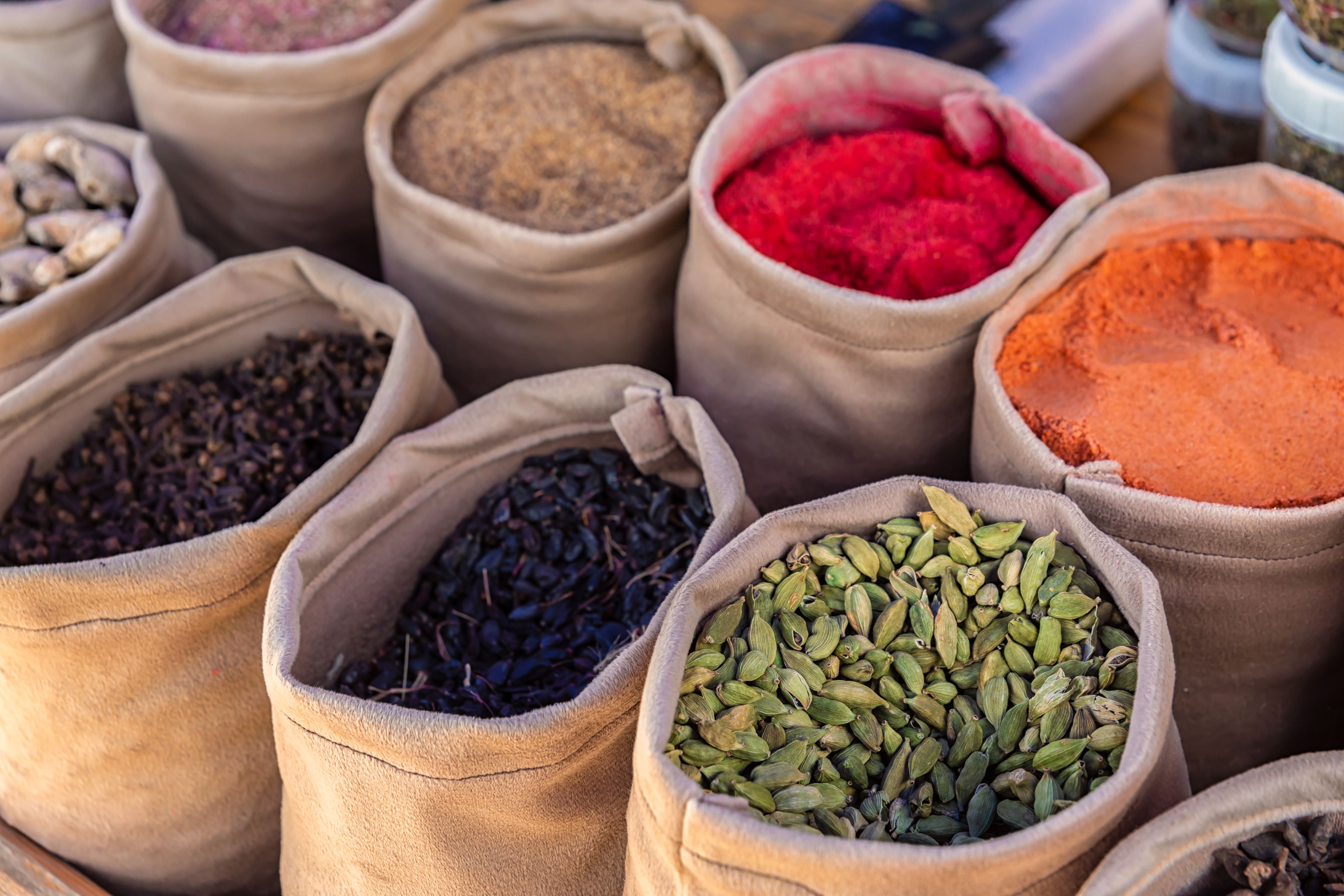
China's vast geographical landscape provides a wide range of climates and soils, ideal for cultivating a diverse selection of spices. From the fertile plains to the mountainous regions, China grows a variety of spices, such as Sichuan pepper, star anise, and ginger. These geographical advantages allow China to produce high-quality spices in large quantities.
Advanced Agricultural Practices
The use of advanced agricultural techniques has significantly boosted China's spice production. Modern farming practices, coupled with traditional knowledge, have enabled Chinese farmers to increase yield and maintain quality. Innovations in irrigation, pest control, and soil management contribute to the robust spice industry.

Focus on Quality Control
Quality control is a key factor in why China excels in spice exports. Strict government regulations and standards ensure that spices meet international quality benchmarks. This commitment to quality enhances trust and reliability, making Chinese spices a preferred choice in global markets.
Innovation in Processing and Packaging
China's advancements in spice processing and packaging have further solidified its leading position. State-of-the-art facilities ensure that spices are processed hygienically, retaining their flavor and potency. Modern packaging techniques also extend shelf life and improve logistics, facilitating smooth international distribution.

Global Market Strategies
China's strategic approach to the global market includes diversification of export destinations and competitive pricing strategies. By building strong trade relationships and adapting to market demands, China has expanded its reach, ensuring its spices are available worldwide.
Rich Culinary Heritage
The rich culinary heritage of China not only boosts domestic consumption but also enhances global interest in its spices. Chinese cuisine, known for its unique and bold flavors, showcases the versatility and importance of spices. This culinary appeal drives international demand, further strengthening China's export market.
Challenges and Future Prospects
Despite its leading position, China faces challenges such as environmental sustainability and competition from other spice-producing countries. However, ongoing investments in sustainable practices and continued innovation position China well for future growth in the spice and seasoning export industry.