Unlocking the Secrets of Chinese Seasonings: A Culinary Journey
Embarking on a culinary journey through Chinese cuisine is a delightful adventure that tantalizes the senses with its rich flavors and aromas. A significant part of this experience comes from the diverse range of seasonings that define Chinese cooking. From the tangy to the spicy, these seasonings are the secret to bringing dishes to life.
Understanding the Essentials
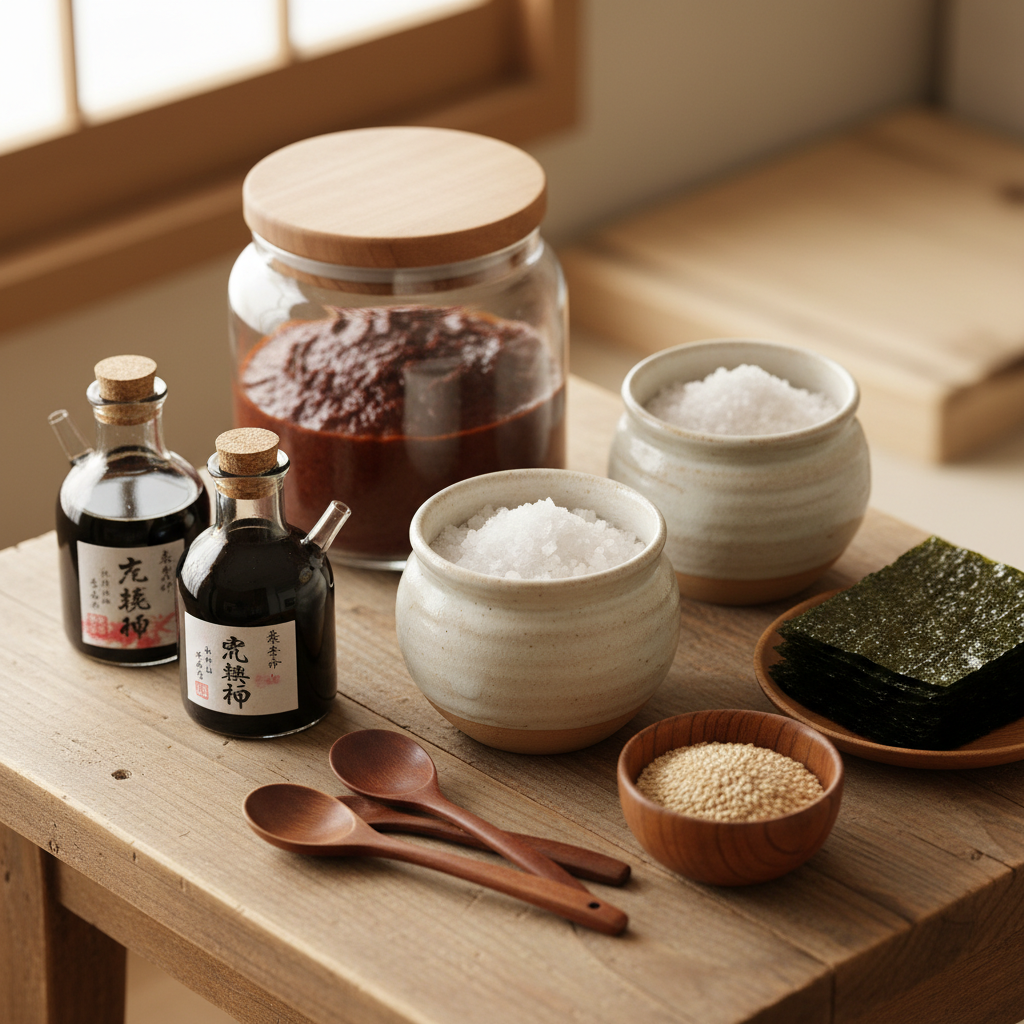
Chinese seasonings are known for their complexity and depth. The foundation of many dishes begins with a few essential ingredients: soy sauce, sesame oil, and rice vinegar. Soy sauce is a staple, adding umami and saltiness to dishes. Sesame oil introduces a nutty aroma, while rice vinegar lends a subtle acidity that balances flavors.
These essentials form the backbone of many traditional recipes, providing a starting point for both novice and experienced cooks. The art of balancing these flavors is key to mastering Chinese cuisine.
Exploring Spices and Aromatics
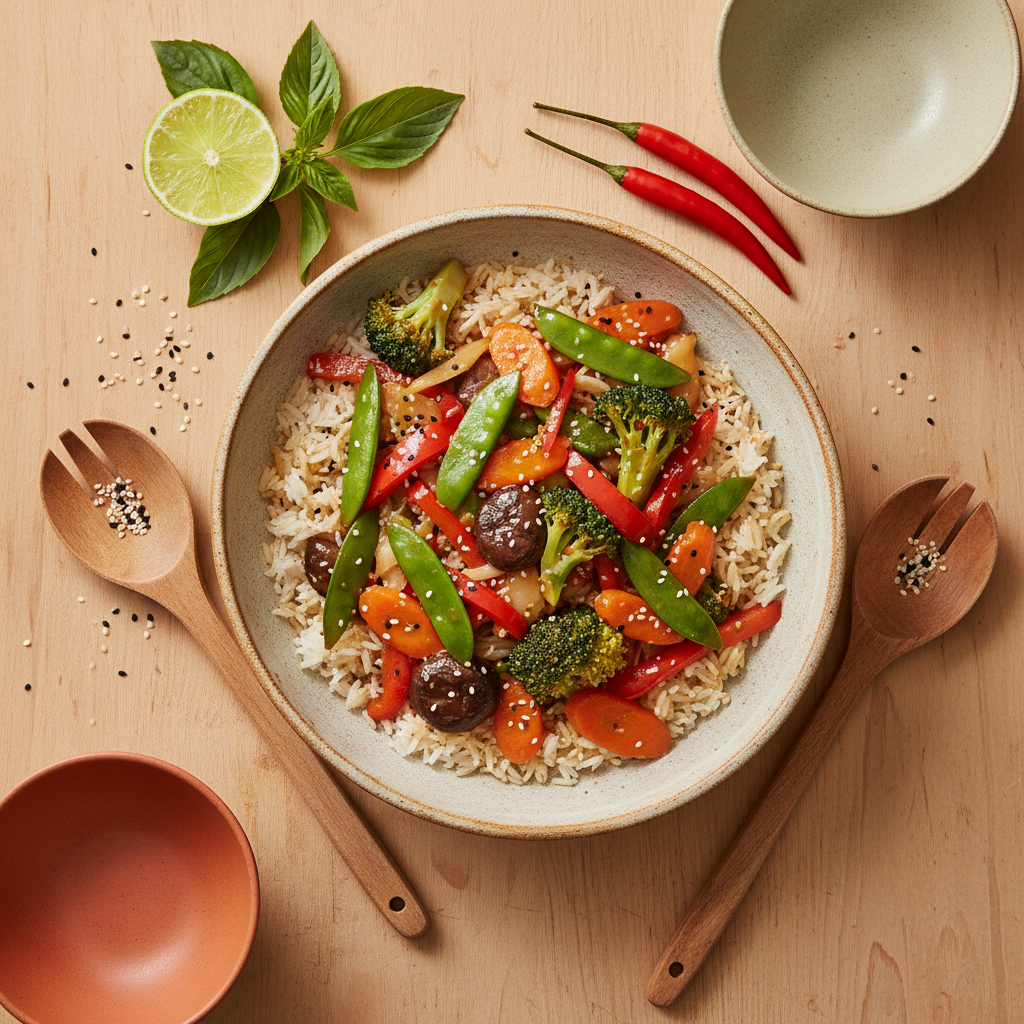
Beyond the basics, Chinese cooking is known for its use of aromatic spices. Five-spice powder is one such blend, combining star anise, cloves, Chinese cinnamon, Sichuan peppercorns, and fennel seeds. This combination offers a sweet, savory, and slightly spicy profile that enhances meats and stews.
Another popular seasoning is Sichuan peppercorn, which delivers a unique numbing sensation paired with a citrusy aroma. It's a signature ingredient in Sichuan cuisine, known for its bold and spicy flavors.
The Role of Fermented Ingredients
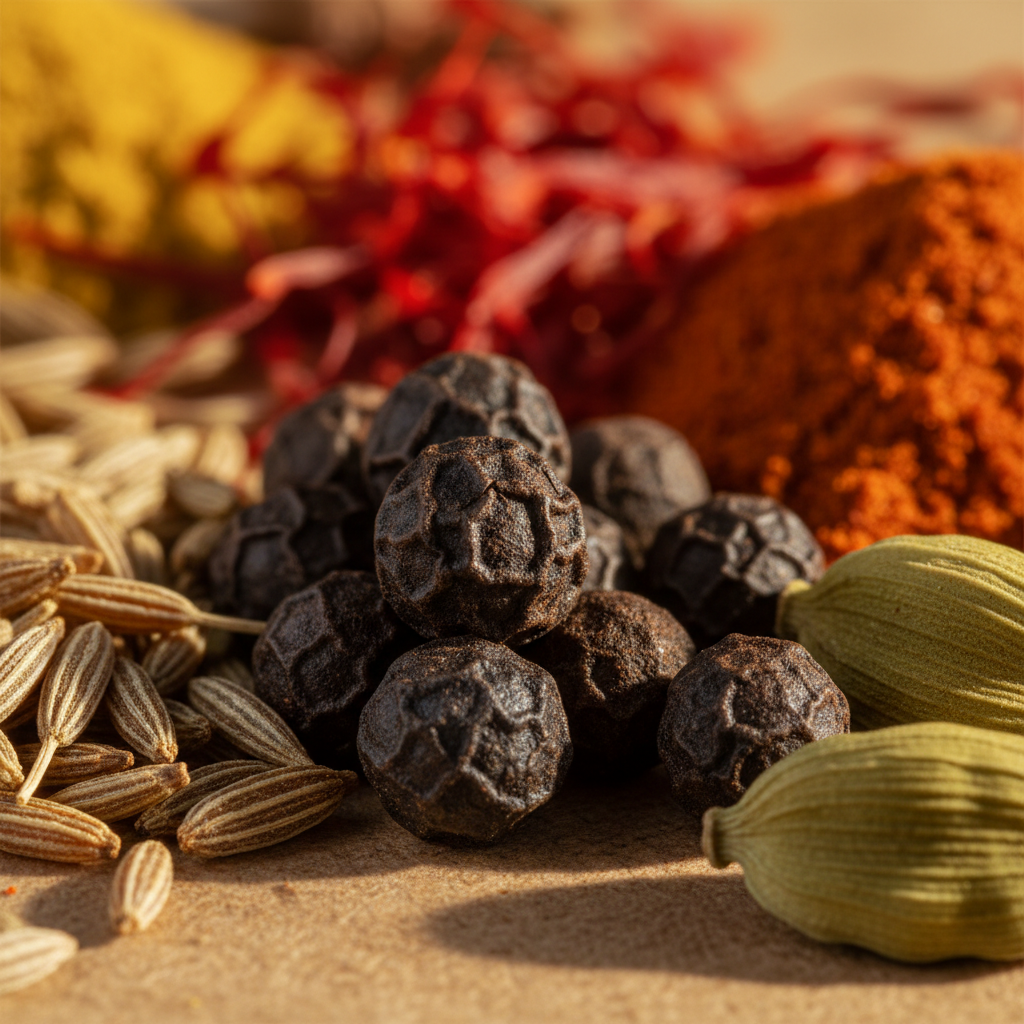
Fermentation plays a crucial role in Chinese seasonings, adding depth and complexity to dishes. Doubanjiang, a fermented bean paste, is essential in Sichuan cooking. Its spicy, salty, and umami-rich profile makes it a versatile addition to stir-fries and soups.
Similarly, black bean paste offers a rich, savory flavor that complements seafood and vegetables. These fermented ingredients are celebrated for their ability to elevate simple dishes into something extraordinary.
Sweet and Savory Sauces
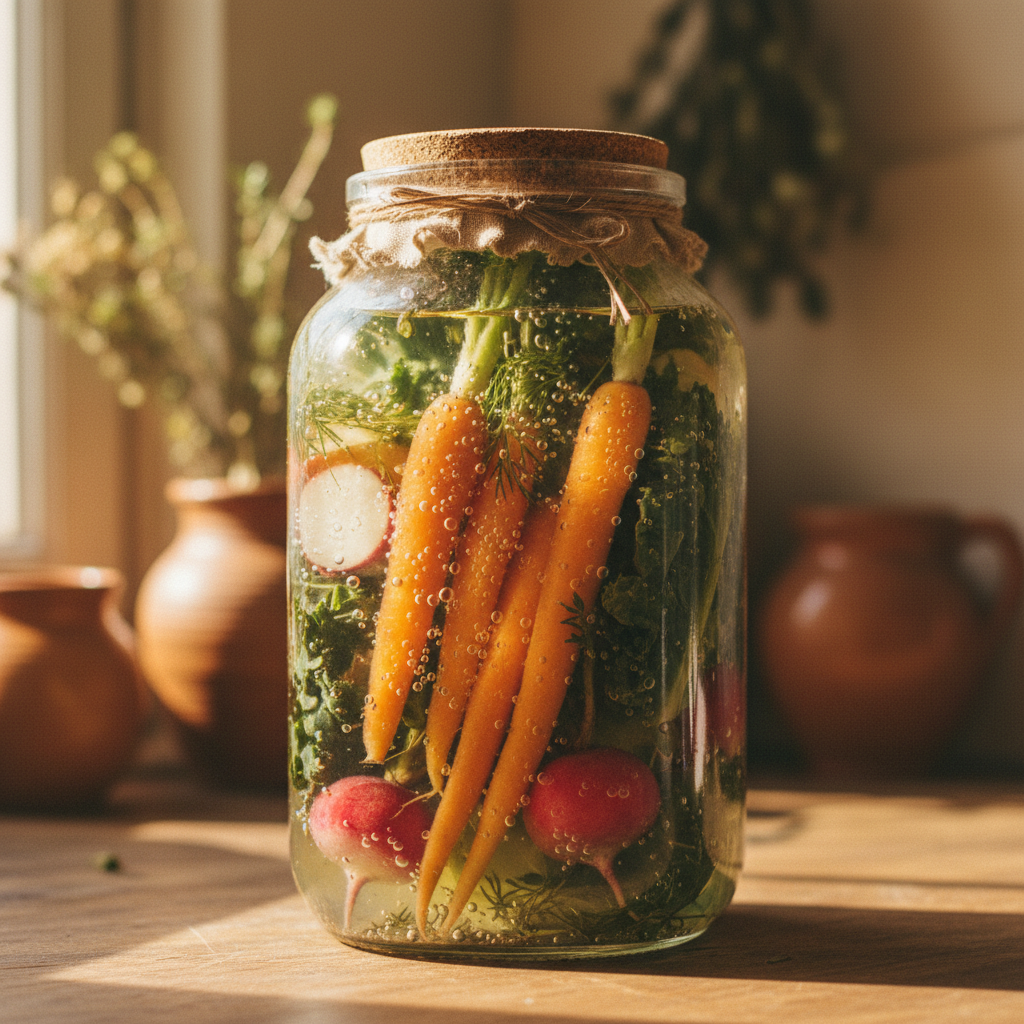
Chinese cuisine also balances sweet and savory elements through various sauces. Hoisin sauce is a thick, fragrant sauce used for glazing meats and as a dipping sauce. Its sweet and salty flavor adds a delightful contrast to dishes.
Oyster sauce is another versatile condiment, offering a rich umami taste that enhances the natural flavors of vegetables and meats. These sauces are integral to creating the complex taste profiles Chinese cuisine is known for.
Incorporating Seasonings into Your Cooking
Unlocking the secrets of Chinese seasonings involves experimentation and practice. Start by incorporating a few basic ingredients into your cooking and gradually explore more complex seasonings. Consider these tips:
- Begin with simple stir-fries, using soy sauce and sesame oil as a base.
- Experiment with marinades, adding five-spice powder or Sichuan peppercorns.
- Try making traditional Chinese dishes, like Mapo Tofu, to explore the use of doubanjiang.
With time and practice, you'll gain a deeper appreciation for the rich tapestry of flavors that Chinese seasonings offer.