The Ultimate Guide to Exporting Spices: From China to the World
Understanding the Global Demand for Spices
The global spice market is booming, with an increasing demand for diverse flavors and traditional herbs. China, known for its rich variety of spices, plays a significant role in this market. As a major exporter, China offers a vast array of spices, including ginger, star anise, and Sichuan pepper, which are highly sought after worldwide.
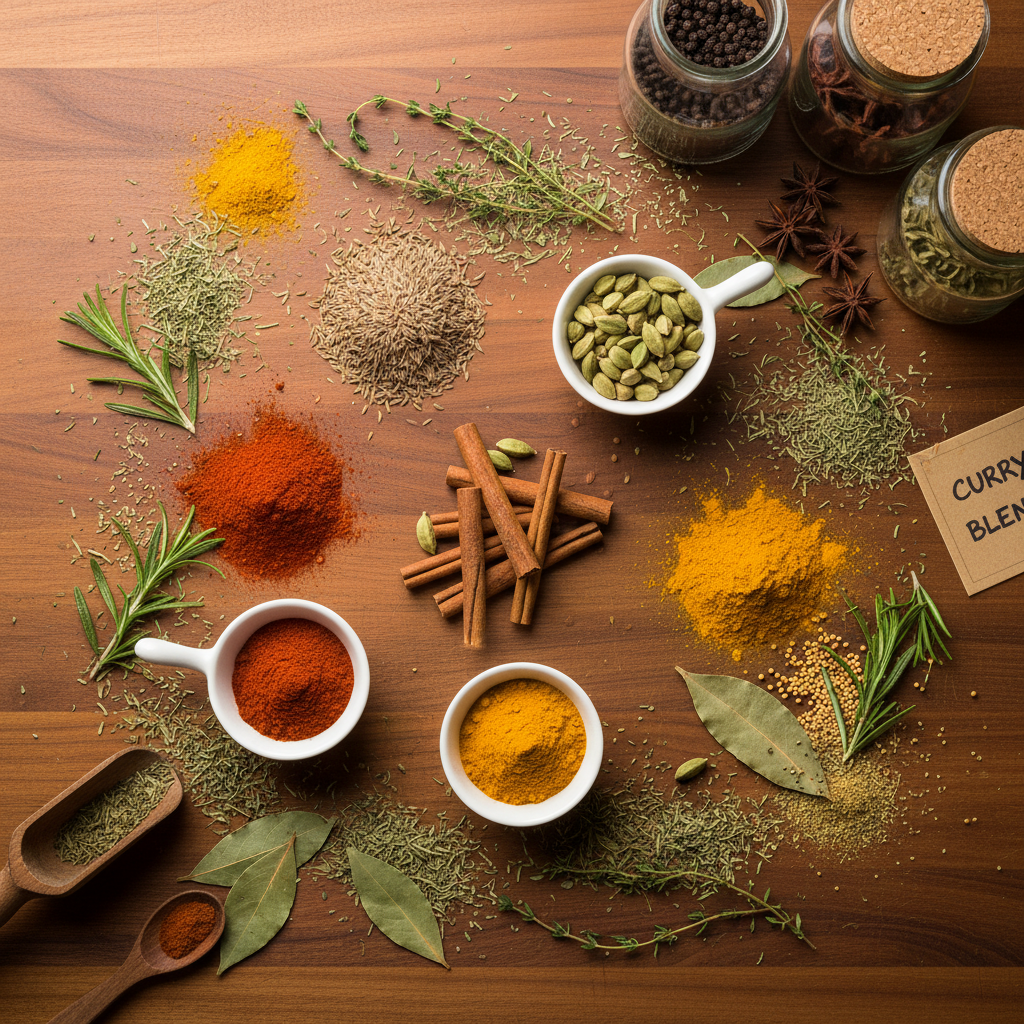
For entrepreneurs looking to enter the spice export business, understanding the global market dynamics is crucial. The demand for authentic and high-quality spices is growing, driven by the culinary industry's push towards unique and exotic flavors.
Setting Up Your Export Business
Starting an export business involves several steps. First, you need to establish a solid business plan. This includes identifying your target markets, understanding the regulatory requirements, and determining your sourcing strategies. Building relationships with reliable suppliers in China is essential to ensure the quality and consistency of your products.
It's also important to comply with international trade regulations. This may involve obtaining necessary certifications and adhering to quality standards set by your target countries. Partnering with a logistics expert can help streamline this process.
Navigating Trade Regulations and Certifications
Exporting spices from China requires navigating a complex web of trade regulations. Familiarize yourself with both Chinese export laws and the import regulations of your target countries. Common requirements may include phytosanitary certificates and quality assurance documentation.

Certifications such as ISO 22000 or HACCP can enhance your credibility and ensure your products meet international safety standards. These certifications can be vital in gaining trust and opening doors to new markets.
Building a Strong Supply Chain
Supply chain management is a critical aspect of the spice export business. Developing a robust supply chain ensures that your products are delivered on time and maintain their quality throughout the journey. Focus on building long-term relationships with trusted suppliers and logistics partners.
Utilizing technology can enhance your supply chain management. Implementing tracking systems and using data analytics can help you optimize routes, reduce costs, and improve efficiency.

Marketing Your Spices Globally
Effective marketing strategies can significantly boost your export business. Highlight the unique qualities of your spices, such as their origin and cultural significance. Utilize digital marketing techniques to reach a global audience, including social media, content marketing, and partnerships with food bloggers and influencers.
Participating in international trade fairs and exhibitions can also be beneficial. These events provide opportunities to showcase your products, network with potential buyers, and gain insights into market trends.
Ensuring Quality and Authenticity
Maintaining high quality and authenticity is crucial for success in the spice export industry. Implement rigorous quality control measures and work closely with your suppliers to ensure that the spices meet the desired standards.

Invest in research and development to innovate and improve your product offerings. By staying ahead of market trends and consumer preferences, you can ensure long-term success and growth in the international market.