The Impact of Seasonal Harvests on Spice Quality in China
Understanding Seasonal Harvests in China
China's vast landscape and diverse climates create a unique environment for spice cultivation. The timing and conditions of seasonal harvests significantly impact the quality and flavor of the spices produced. From the crisp autumn air in the north to the warm, humid regions in the south, each area offers distinct growing conditions that contribute to the spices' unique characteristics.
Spices like Sichuan pepper, star anise, and ginger thrive in specific climates, and understanding these seasonal patterns is crucial for maintaining high quality. Farmers must carefully plan their planting and harvesting schedules to align with these natural cycles.
The Role of Weather in Spice Cultivation
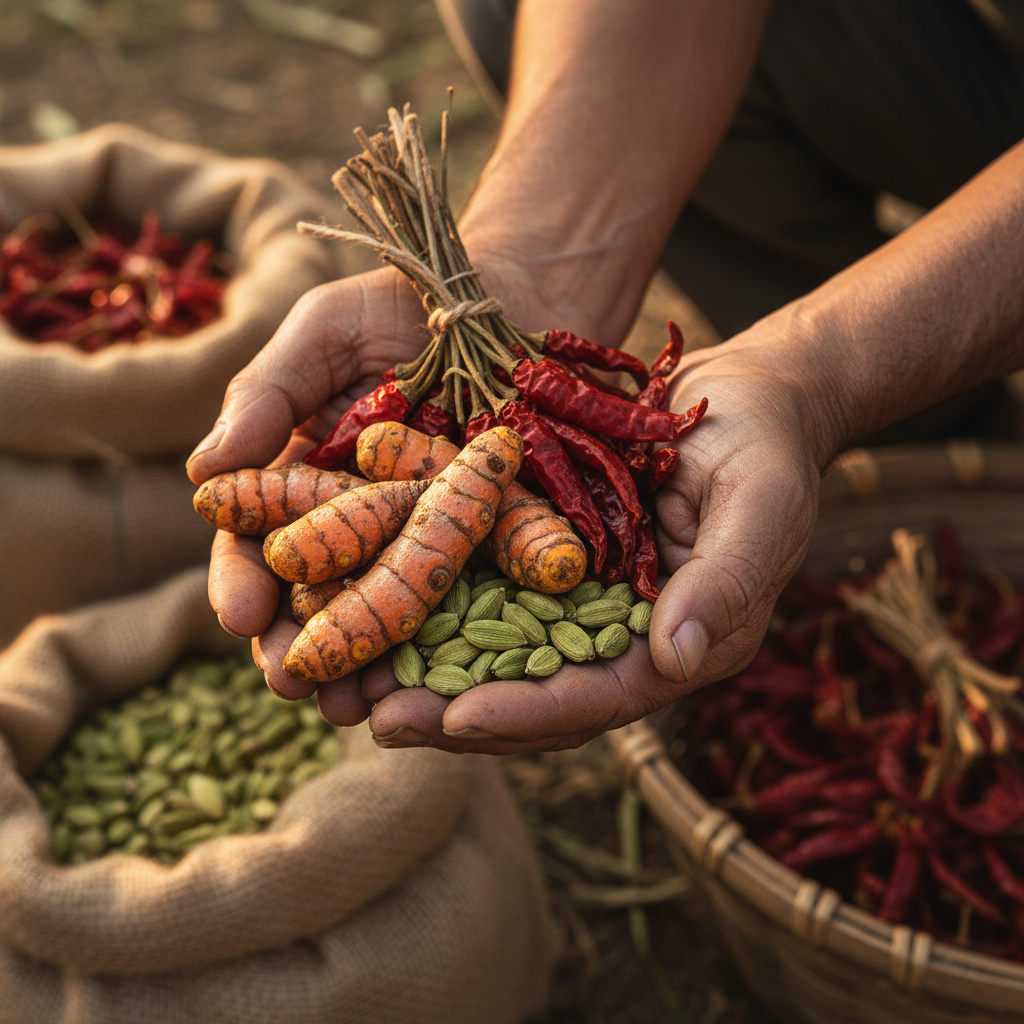
Weather conditions during the growing season play a vital role in determining spice quality. For instance, too much rain can lead to mold growth, while drought can stress plants and reduce the potency of essential oils. Balancing these factors is key to producing premium spices.
The timing of the rain, temperature fluctuations, and even wind patterns can affect the crop yield and quality. Farmers often rely on traditional knowledge and modern technology to predict weather changes and adapt their strategies accordingly.

Harvest Timing and Its Effects
The timing of the harvest is another critical factor. Harvesting spices at the right moment ensures that they have reached their peak flavor and potency. For example, Sichuan pepper should be harvested just as the pods open, while star anise needs to mature fully on the tree before picking.
Proper timing not only enhances the flavor but also affects the shelf life and market value of the spices. Missing the optimal harvest window can result in a significant loss of quality, impacting both local consumption and export potential.
Traditional Practices and Modern Techniques
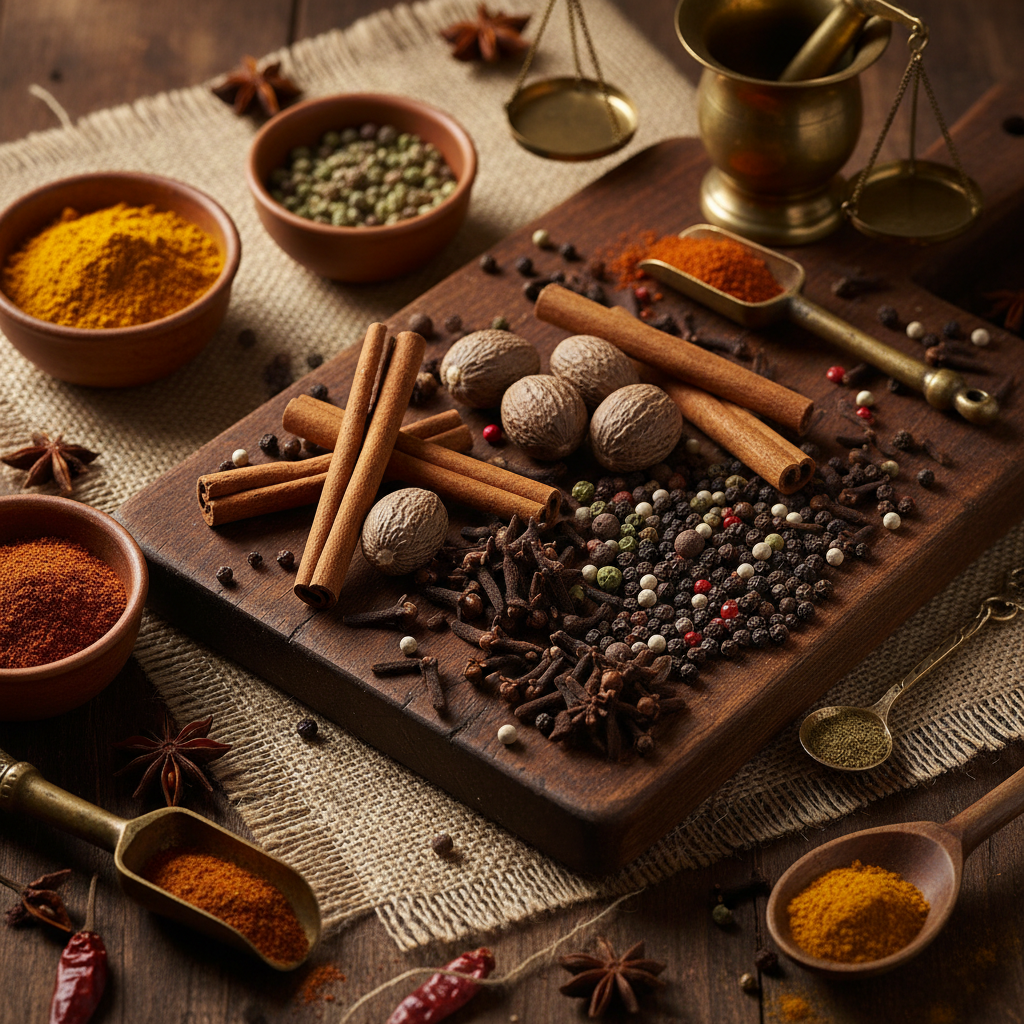
In many regions of China, traditional farming practices have been passed down through generations. These methods are often combined with modern techniques to improve efficiency and quality. For instance, some farmers use drones to monitor crop health, while others implement organic farming practices to enhance soil quality.
The integration of these practices ensures that the spices remain true to their traditional flavors while meeting modern quality standards. This blend of old and new is crucial for maintaining the cultural heritage and economic viability of spice farming in China.
Conclusion: The Future of Spice Harvesting in China
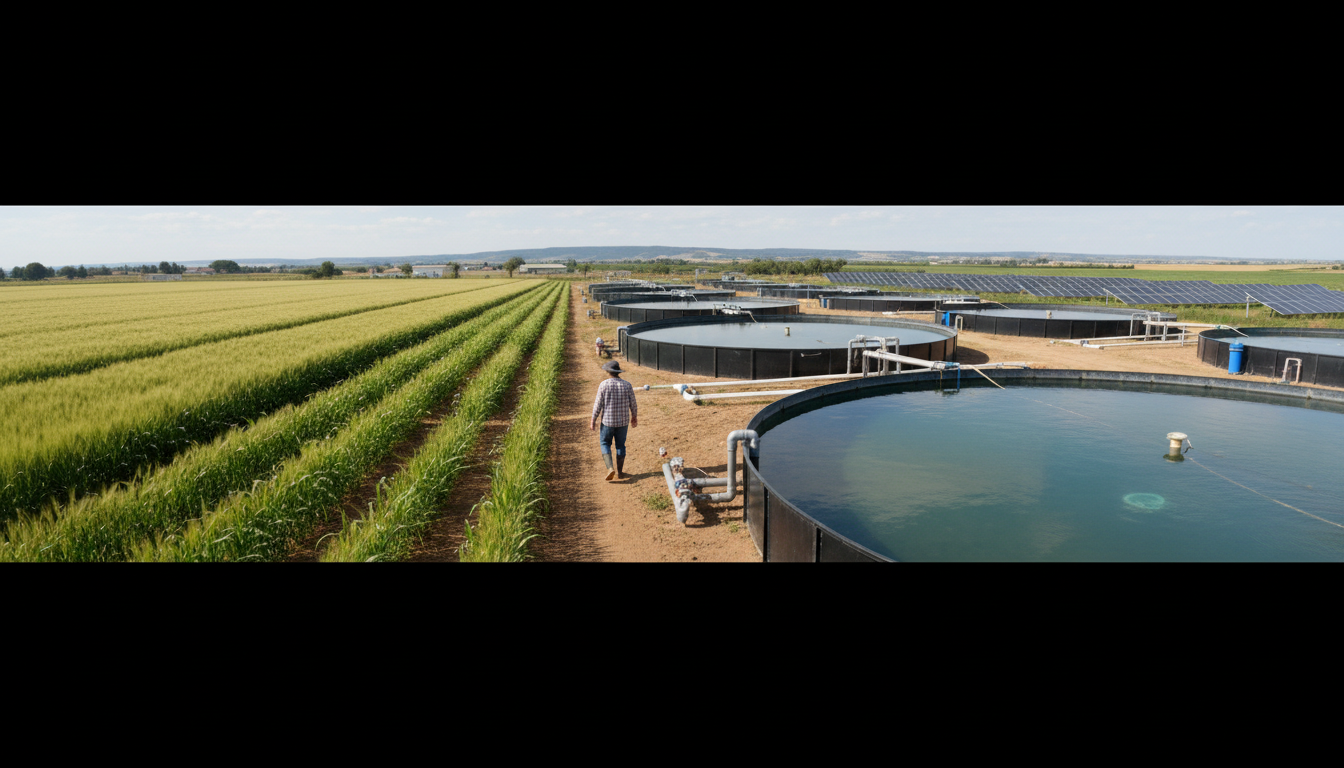
As global demand for high-quality spices continues to grow, understanding the impact of seasonal harvests becomes increasingly important. By embracing both traditional wisdom and modern innovations, Chinese farmers can continue to produce spices that are not only rich in flavor but also sustainable and economically viable.
The journey of these spices from farm to table is a testament to the dedication and skill of the farmers who work tirelessly to preserve the essence of their land. As we savor these flavors, we are reminded of the intricate dance between nature and human ingenuity that brings these spices to life.