The Complete Guide to Bulk Spice Exports from China
Understanding the Bulk Spice Market
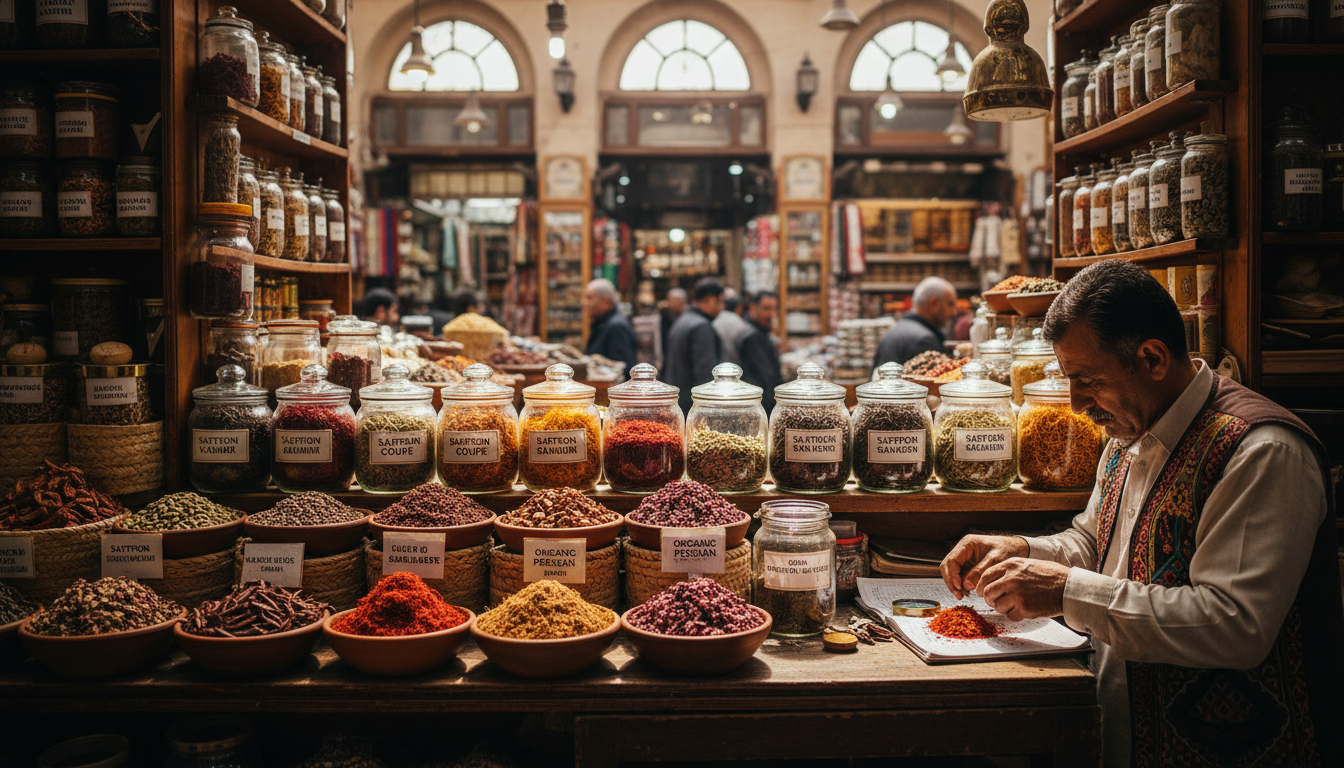
In recent years, the global demand for spices has surged, making bulk spice exports from China a lucrative venture. China, known for its rich variety of spices, plays a significant role in the international spice trade. Understanding the dynamics of this market is crucial for anyone looking to venture into spice exports.
Why Choose China for Bulk Spice Exports?
China's diverse climate and large agricultural base allow for the cultivation of a wide range of spices. From Sichuan peppercorns to star anise, Chinese spices are renowned for their quality and variety. The country's well-established supply chains and logistics infrastructure further enhance its position as a top exporter.
Additionally, China's commitment to improving agricultural practices ensures that its spices meet international standards, making them highly sought after in global markets.
Key Spices for Export
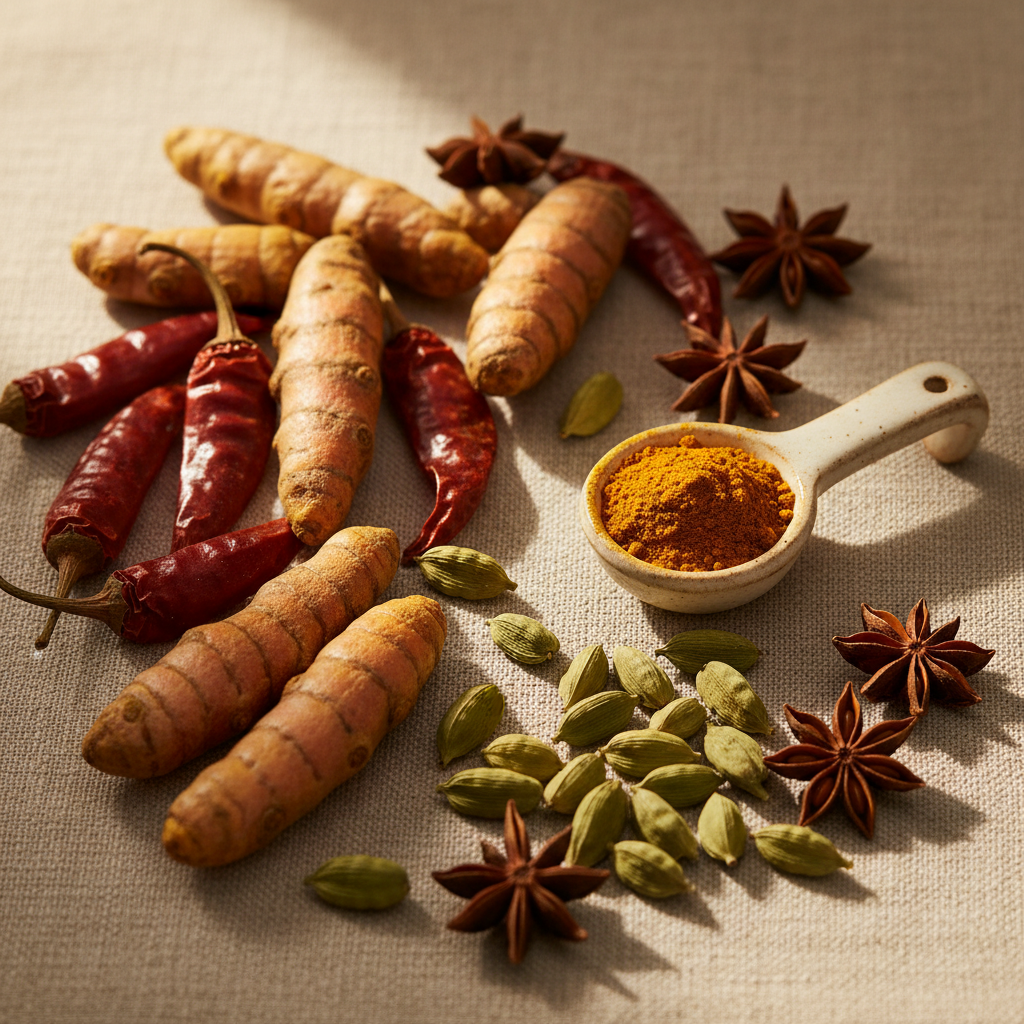
When considering bulk spice exports from China, it's essential to focus on key spices that are in high demand. Some of the most popular Chinese spices include:
- Sichuan Peppercorns
- Star Anise
- Ginger
- Cinnamon
These spices are not only integral to Chinese cuisine but also widely used in various culinary traditions worldwide.
Navigating Export Regulations
Understanding and complying with export regulations is vital for successful spice exports. China has specific guidelines and standards that exporters must follow. These include obtaining necessary certifications and adhering to quality control measures.
It's advisable to work with experienced export consultants or local partners who can guide you through the regulatory landscape and ensure compliance with both Chinese and international standards.
Logistics and Shipping Considerations
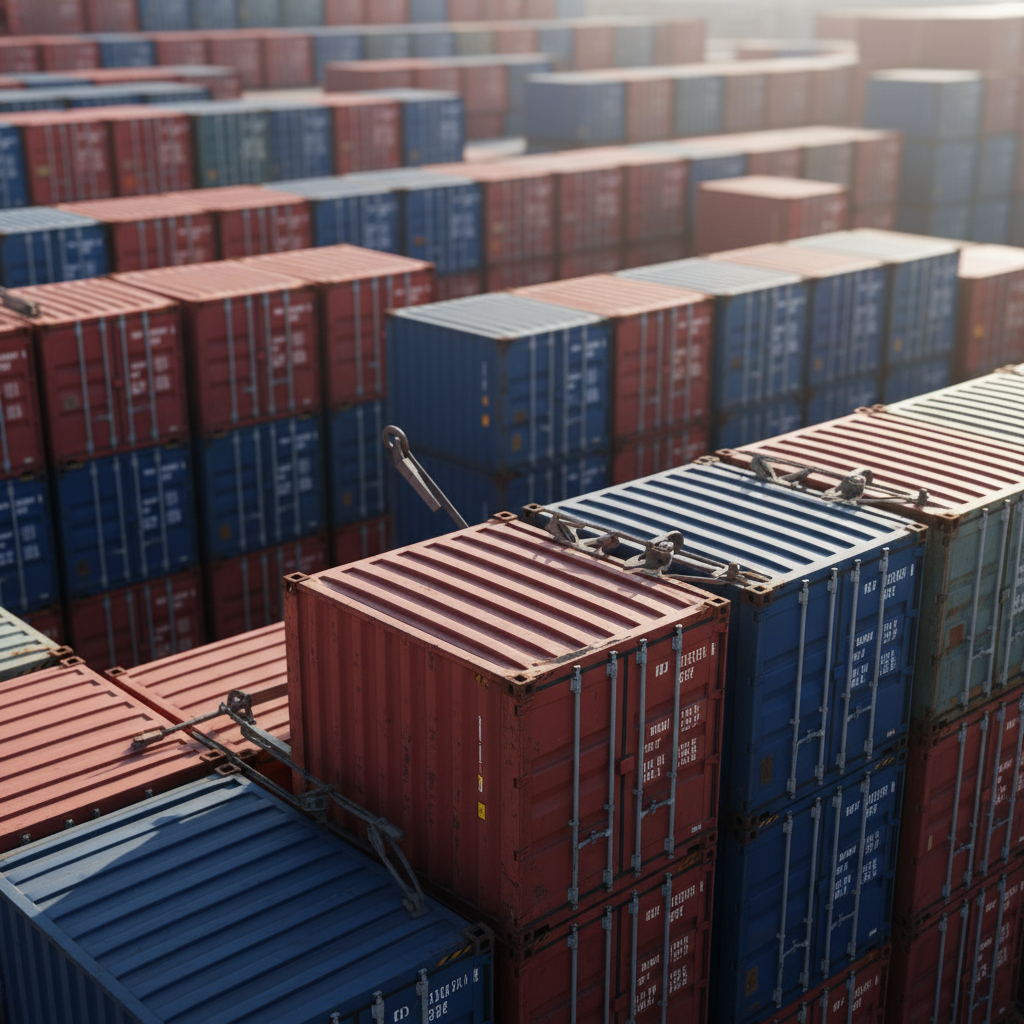
Logistics plays a crucial role in the spice export business. Efficient and reliable shipping methods are necessary to maintain the freshness and quality of spices. China's advanced logistics infrastructure offers numerous options for transporting goods globally.
Consider factors such as shipping costs, transit times, and the choice between air and sea freight when planning your export strategy. Partnering with reputable logistics companies can streamline this process.
Building Relationships with Suppliers
Successful bulk spice exports require strong relationships with local suppliers. Establishing trust and clear communication with suppliers ensures consistent quality and supply of spices. It’s beneficial to visit suppliers personally and understand their production processes.
Building long-term partnerships can also lead to better pricing and priority access to high-demand spices.
Marketing Your Spices Globally
Marketing is a crucial component of expanding your spice export business. Emphasize the unique qualities and origins of your spices. Highlight stories about the regions they come from and their uses in traditional and modern cuisines.
Online platforms and international trade shows are excellent avenues for reaching potential buyers and expanding your market presence.

Conclusion
The bulk spice export business from China offers significant opportunities for growth and profit. By understanding the market, navigating regulations, and establishing solid logistics and supplier relationships, you can successfully tap into this dynamic industry. With the right strategy, your spice export business can thrive in the global marketplace.