Seasonal Trends in Spice and Condiment Exports: What to Expect
As global culinary tastes evolve, the demand for spices and condiments continues to grow. Exporters need to stay informed about seasonal trends to capitalize on market opportunities. Understanding these trends can help businesses optimize their strategies and meet consumer demands effectively.
Understanding Seasonal Demand
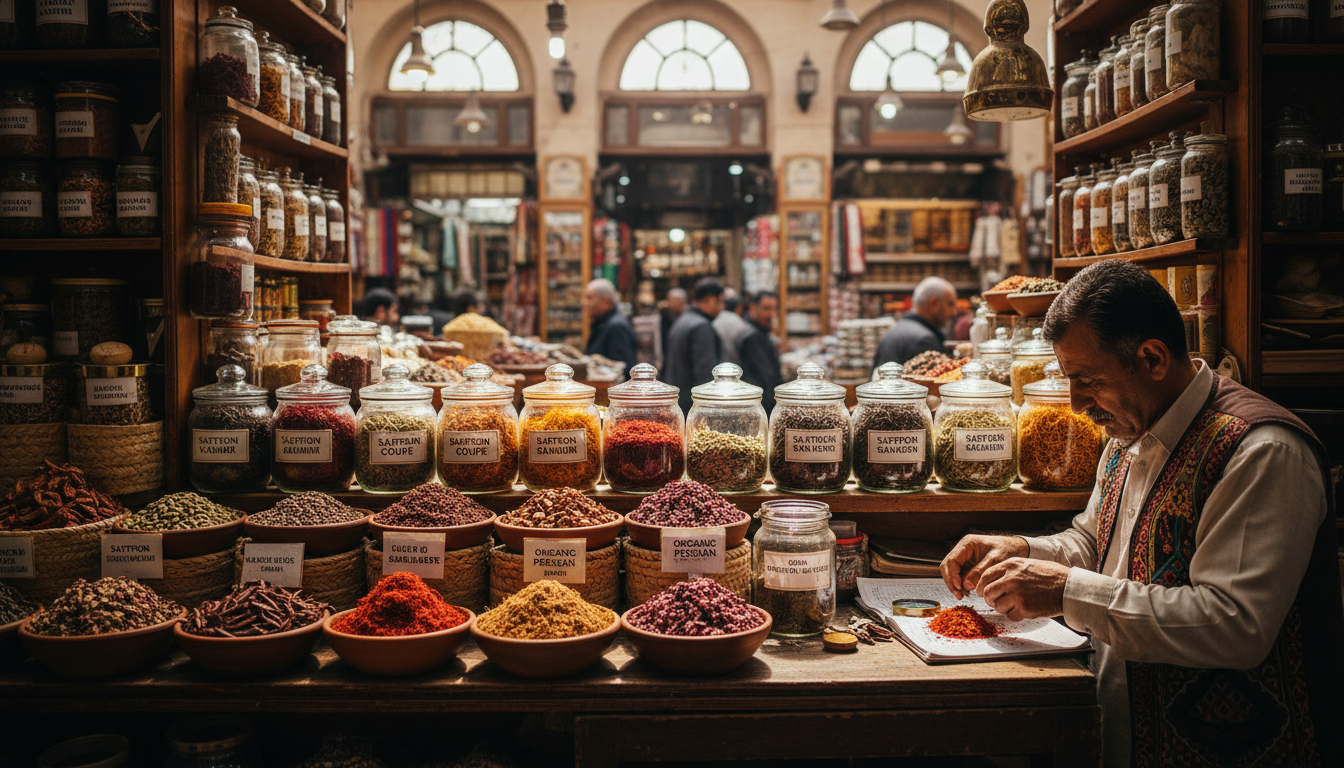
The demand for different spices and condiments often varies with the seasons. During the winter months, warming spices such as cinnamon, nutmeg, and cloves see a spike in popularity, particularly in Western markets. These spices are commonly used in holiday baking and festive dishes.
In contrast, summer months bring an increased demand for fresh and zesty flavors. Spices like cumin, coriander, and chili peppers become more popular as they are used in barbecues and light, refreshing dishes. Recognizing these patterns allows exporters to align their supply chain and inventory management effectively.
Impact of Cultural Celebrations
Cultural celebrations worldwide significantly influence the demand for specific spices. For instance, during Diwali, there's a notable increase in the export of cardamom and saffron due to their use in traditional Indian sweets. Similarly, the Lunar New Year boosts the demand for soy sauce and sesame oil in Asian markets.

Exporters should keep an eye on international calendars and align their marketing strategies with these festivities to maximize sales. Timely promotions and targeted advertising can significantly enhance visibility and sales during these periods.
Weather and Harvest Cycles
The availability of certain spices is closely tied to their harvest cycles, which are affected by weather conditions. Bad weather can lead to poor harvests, driving up prices. Exporters need to be aware of these cycles to anticipate changes in supply and adjust their pricing strategies accordingly.
For example, vanilla, primarily grown in Madagascar, can be influenced by cyclones, leading to fluctuating prices. Understanding these dynamics helps in planning and maintaining competitive pricing.
Emerging Trends in Spice Blends
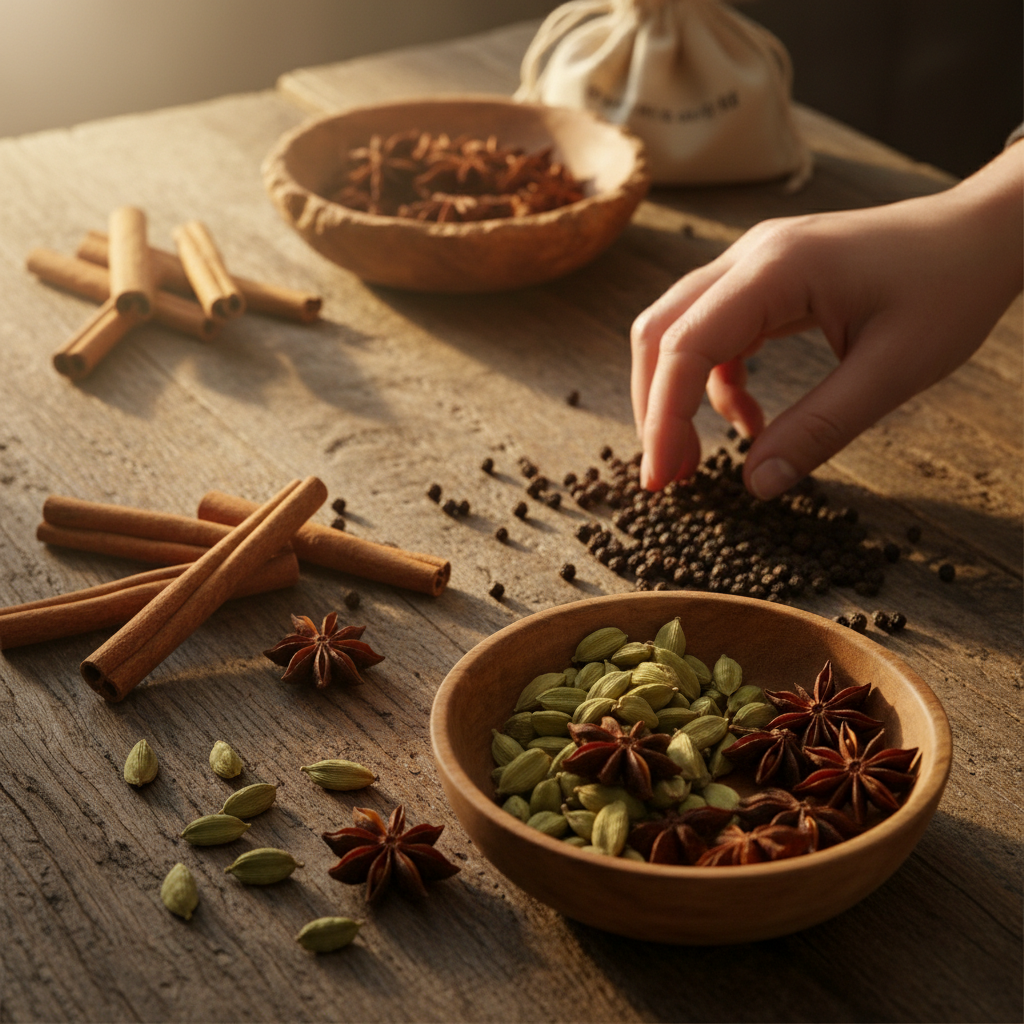
Recently, there has been a surge in demand for unique spice blends that offer convenience and exotic flavors. Blends like za'atar, ras el hanout, and garam masala are gaining popularity as consumers explore global cuisines.
Exporters can tap into this trend by collaborating with local chefs and culinary experts to create exclusive blends that cater to specific markets. Highlighting the health benefits of these spices can also appeal to the growing segment of health-conscious consumers.
Conclusion
Staying ahead in the spice and condiment export industry requires a keen understanding of seasonal trends and consumer preferences. By aligning production and marketing strategies with these trends, exporters can enhance their market presence and drive sales growth.
The spice trade, deeply rooted in history, continues to evolve with changing consumer tastes. Embracing these changes and adapting to seasonal demands ensures long-term success in this dynamic market.