How to Choose the Right Custom Spice Packaging for Your Business
Understanding Your Brand Identity
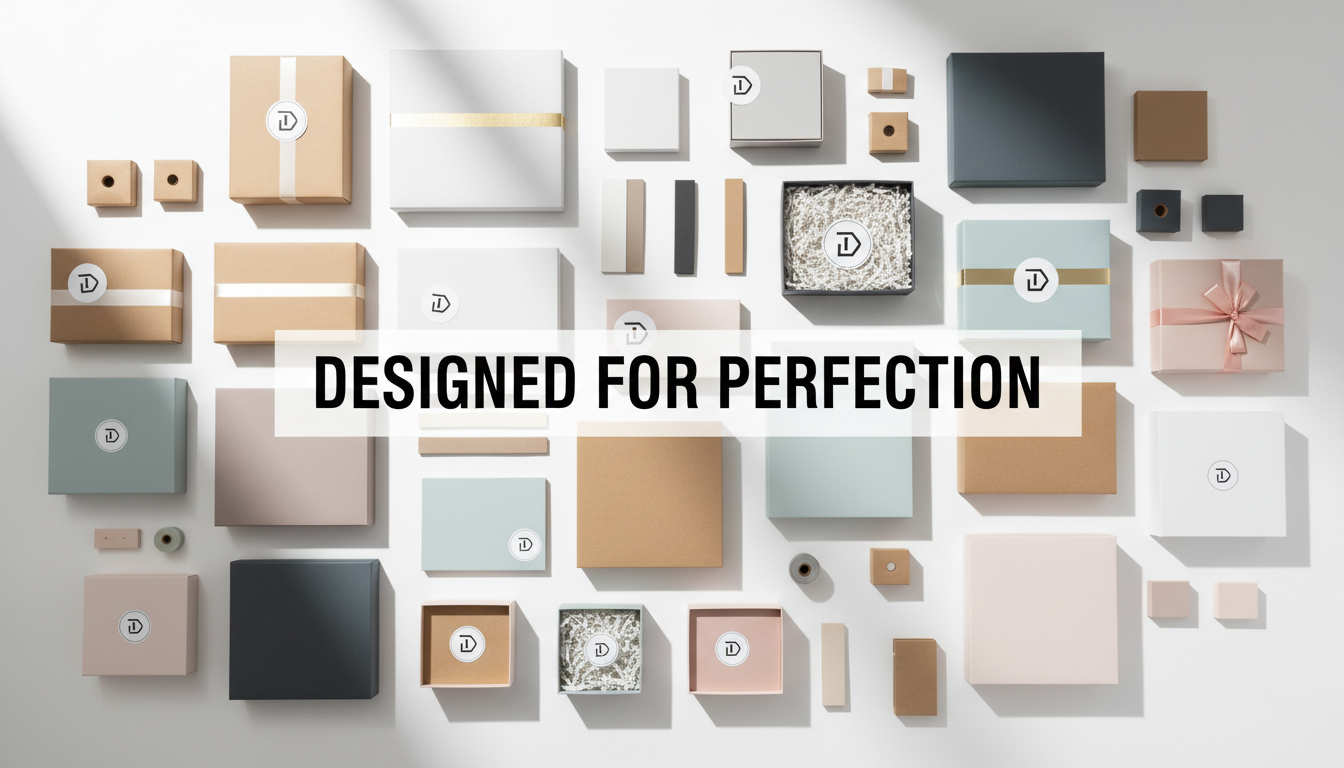
When choosing custom spice packaging, the first step is to align it with your brand identity. Your packaging should reflect the essence of your brand, whether it's traditional, modern, or artisanal. Consider the colors, fonts, and imagery that represent your brand and ensure they are incorporated into the design. Consistency with your brand's visual elements helps in building brand recognition.
Consider the Material
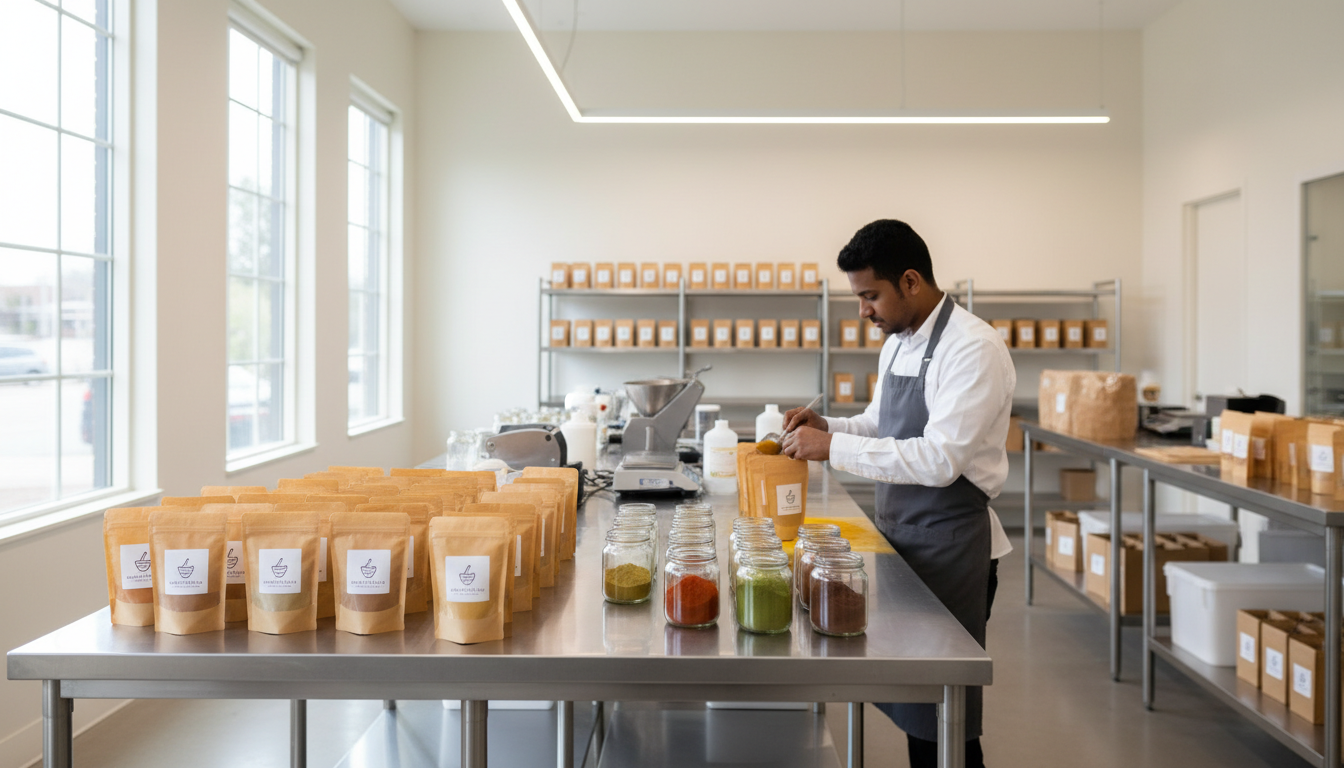
The choice of material for your spice packaging is crucial. Options range from glass jars, plastic containers, to eco-friendly paper pouches. Consider the durability, sustainability, and cost of each material. For environmentally conscious brands, choosing recyclable or biodegradable materials can enhance your brand’s image and appeal to eco-friendly consumers.
Functionality and Convenience
Functionality should never be compromised in your packaging design. Consider features like resealable tops, easy-pour spouts, or stackable designs that enhance user convenience. The right packaging should preserve the freshness of your spices while being easy to use. Well-designed packaging can create a positive user experience and encourage repeat purchases.
Design for Your Target Audience
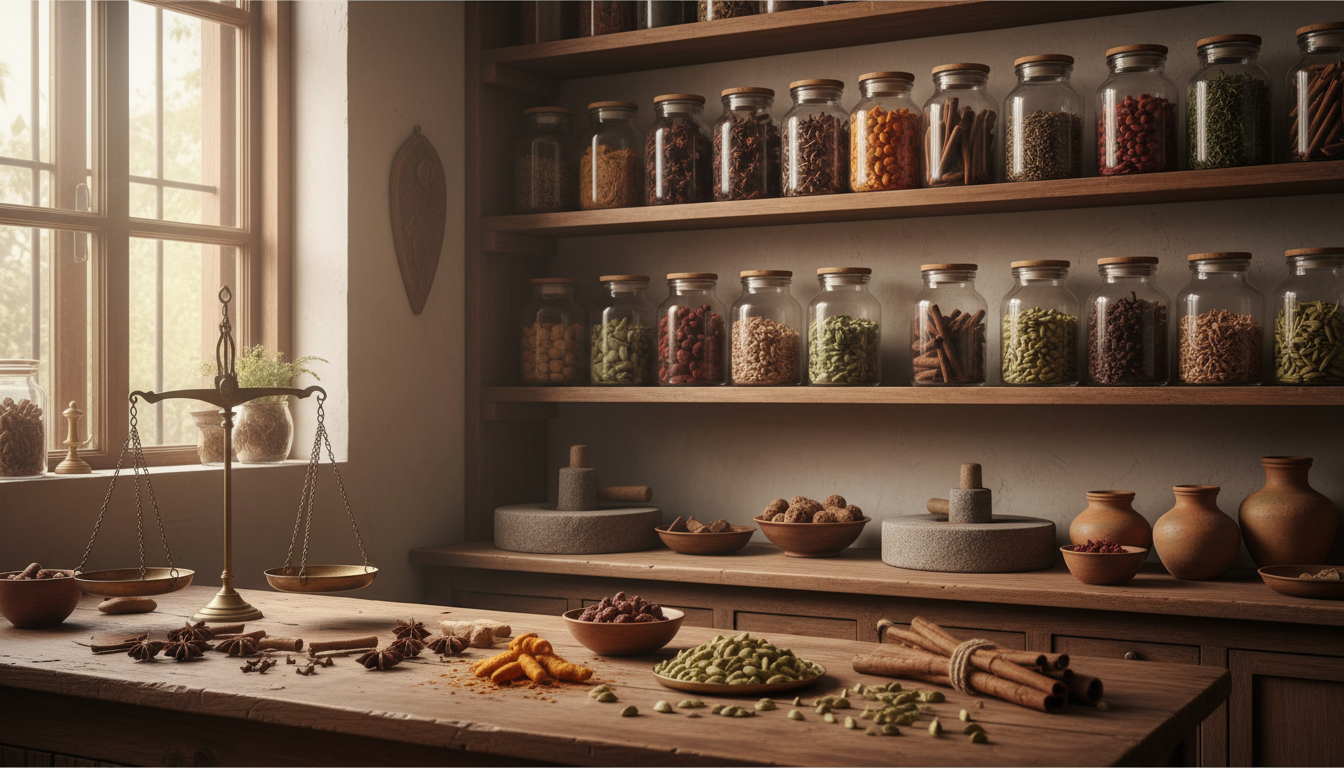
Understanding your target audience is key to choosing the right packaging. If your spices cater to gourmet chefs, the packaging might be sleek and sophisticated. For everyday home cooks, practical and simple designs might be more appropriate. Tailor your packaging to meet the preferences and expectations of your intended market.
Regulatory and Safety Considerations
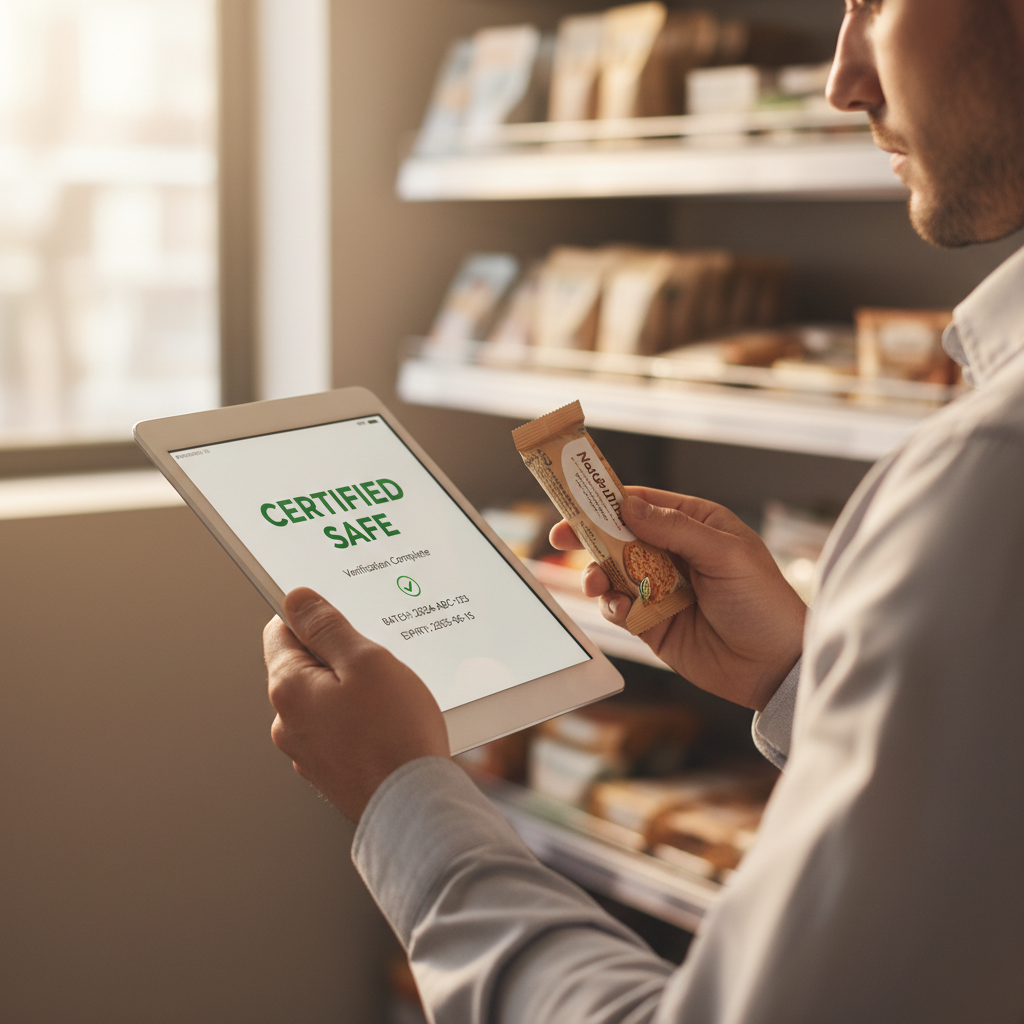
Ensure that your packaging complies with industry regulations and safety standards. This includes proper labeling with ingredients, nutritional information, and expiration dates. Compliance not only ensures safety but also builds trust with your consumers. It's essential to be thorough and up-to-date with regulatory requirements in your region.
Cost and Budgeting
While it’s important to invest in quality packaging, it should also fit within your budget. Consider the cost of materials, printing, and production. It might be beneficial to work with suppliers who can offer bulk discounts or flexible pricing options. Balancing cost without compromising on quality is crucial for maintaining profitability.
Test and Gather Feedback
Before finalizing your packaging design, it’s wise to conduct tests and gather feedback. This could involve focus groups or surveys to understand consumer preferences. Testing can reveal insights into functionality, appeal, and areas for improvement. Feedback helps in refining your product packaging to better meet consumer needs.
Stay Updated with Trends
Packaging trends evolve, and staying updated can give you a competitive edge. Trends like minimalism, bold typography, or interactive packaging can make your product stand out on the shelves. Regularly reviewing industry trends ensures that your packaging remains fresh and relevant.