How Bulk Spice Exports from China Are Transforming Global Cuisines
The Rise of China's Spice Exports
In recent years, China has become a major player in the global spice market. With its vast agricultural resources and strategic investments in farming techniques, China now exports a wide variety of spices, influencing cuisines worldwide. This transformation not only affects the availability of spices but also introduces new flavors to diverse culinary traditions.
The demand for Chinese spices has surged due to their competitive pricing and consistent quality. This growth in exports has allowed chefs and home cooks alike to experiment with unfamiliar ingredients, expanding their culinary horizons.
Impact on Global Cuisines
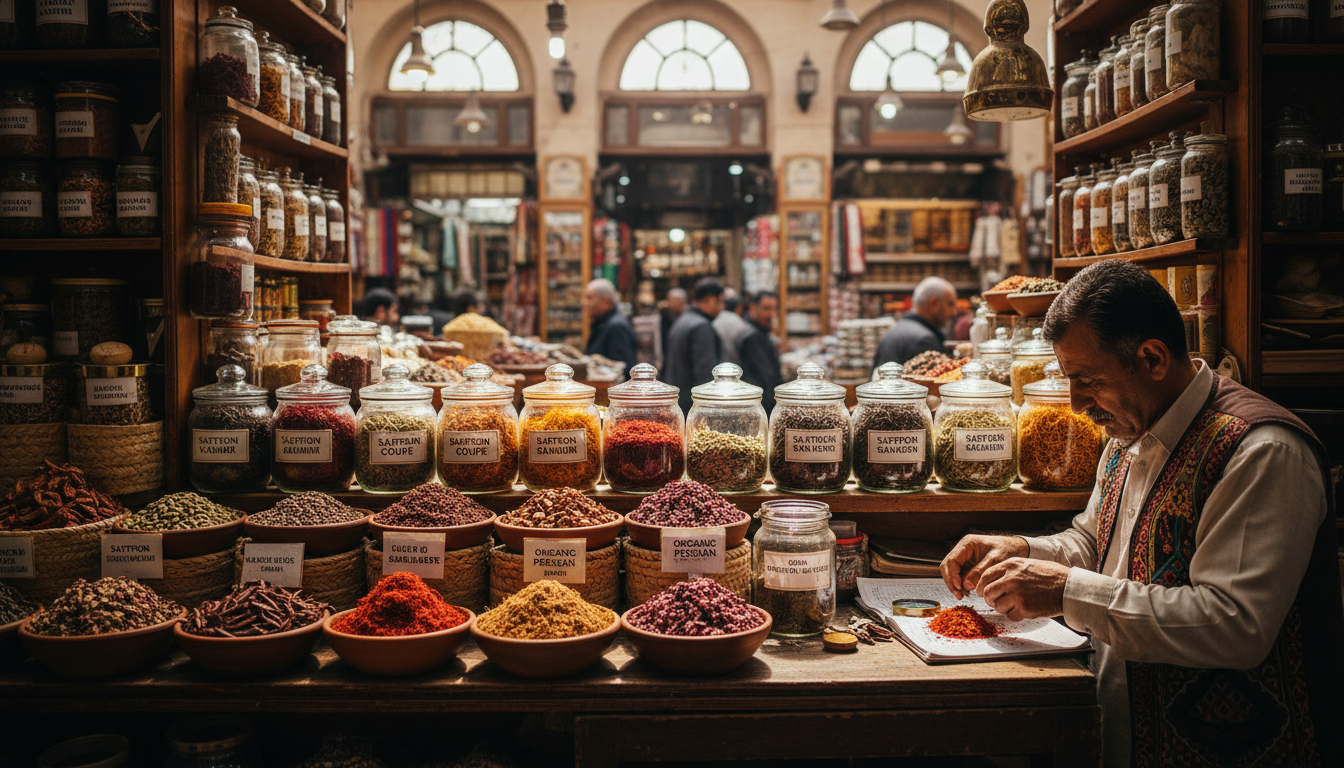
The influence of Chinese spices is evident in multiple cuisines around the world. From the fiery kick of Sichuan peppercorns to the subtle sweetness of star anise, these flavors are now staples in many international dishes. Chefs are blending traditional spices with Chinese imports to create innovative recipes that captivate diners.
Moreover, the ease of accessing these spices has encouraged culinary exchanges, where different cultures borrow and adapt flavors. This fusion leads to exciting new dishes that reflect a global palate.
Popular Chinese Spices in Global Kitchens
- Sichuan Peppercorns: Known for their numbing heat, they add a unique twist to both Asian and Western dishes.
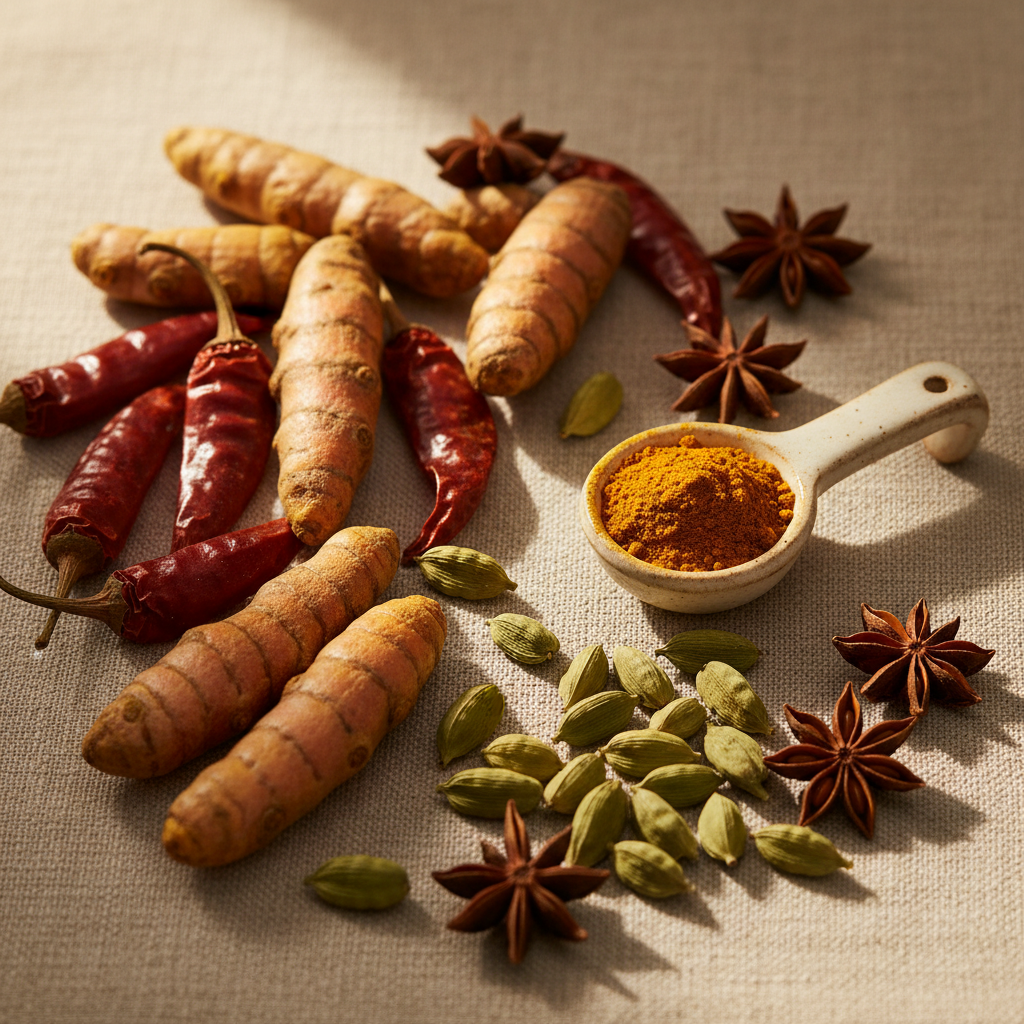
- Star Anise: A key ingredient in Chinese five-spice powder, it enhances savory and sweet dishes alike.
- Cinnamon: Although used worldwide, Chinese cinnamon adds a distinct aroma that elevates baked goods and beverages.
Economic and Cultural Exchange
The export of spices from China is not just about flavor; it's also about economic and cultural exchange. As these spices travel across borders, they carry with them stories of Chinese heritage and culinary traditions. This exchange fosters a deeper understanding and appreciation among different cultures.
Furthermore, the spice trade boosts economic ties between China and importing countries, creating opportunities for collaboration and growth. Local economies benefit from the introduction of new products that appeal to adventurous consumers.
Challenges and Opportunities
Despite the success, the expansion of Chinese spice exports does face challenges. Quality control and sustainability are critical issues that exporters must address to maintain trust and market share. Fortunately, advancements in technology and agricultural practices provide opportunities to overcome these hurdles.
The Future of Chinese Spices in Global Cuisine
Looking ahead, the role of Chinese spices in global cuisine is set to grow even further. As consumers continue to seek out bold and diverse flavors, the demand for these spices will likely increase. The trend towards fusion cuisine, where chefs blend multiple culinary traditions, will further cement the presence of Chinese spices in kitchens worldwide.
Ultimately, the journey of Chinese spices from local farms to international tables highlights the dynamic nature of food culture. As these spices continue to transform global cuisines, they enrich our dining experiences and broaden our culinary horizons.