Exploring the World of Chili and Paprika: A Guide for Global Buyers
Introduction to Chili and Paprika
Chili and paprika are two of the most beloved spices in global cuisine, known for their ability to add heat, color, and depth to a wide range of dishes. As a buyer navigating the flavorful world of these spices, understanding their origins, varieties, and uses can enhance your culinary experiences and business opportunities.
The Origins and Varieties of Chili
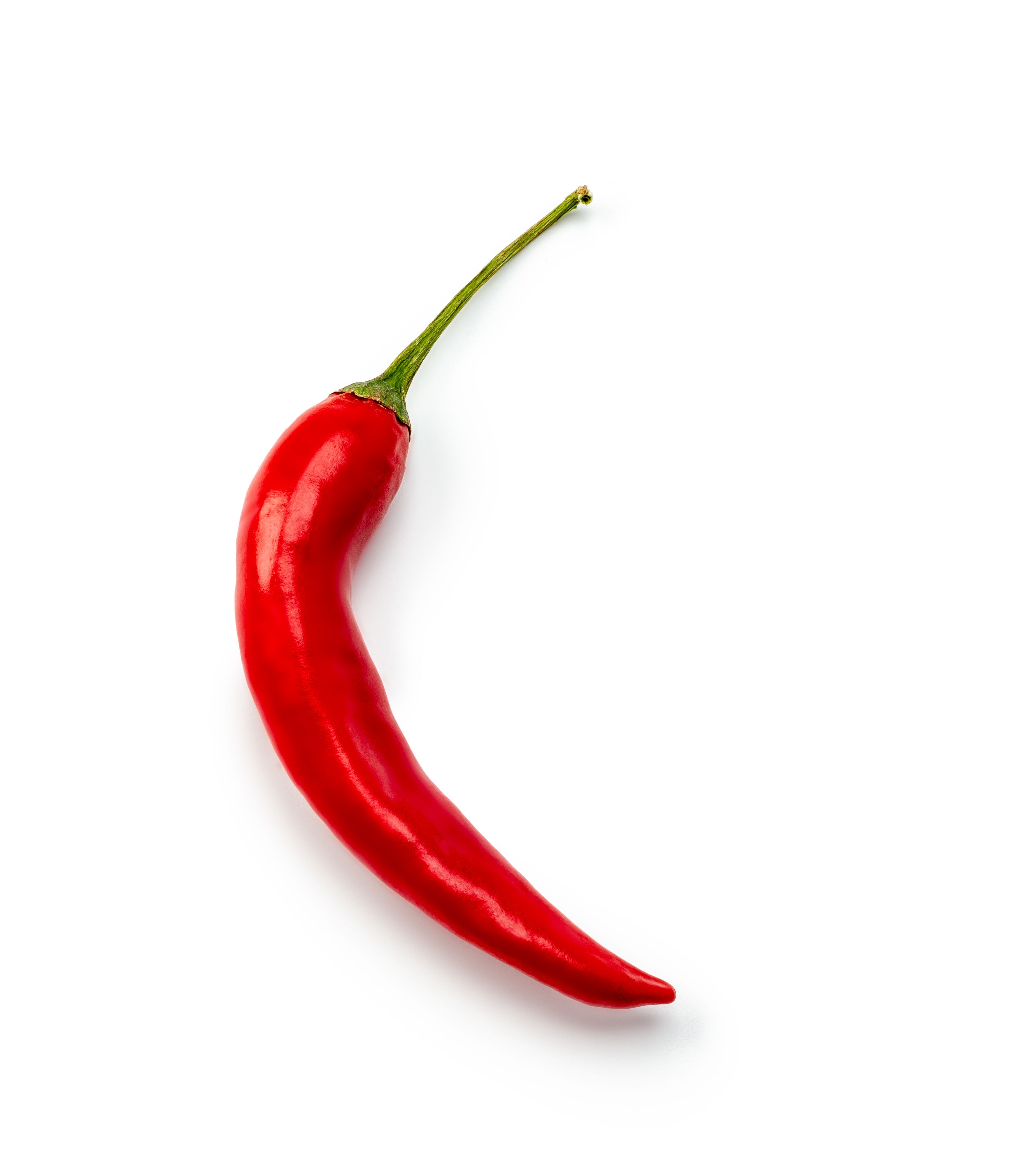
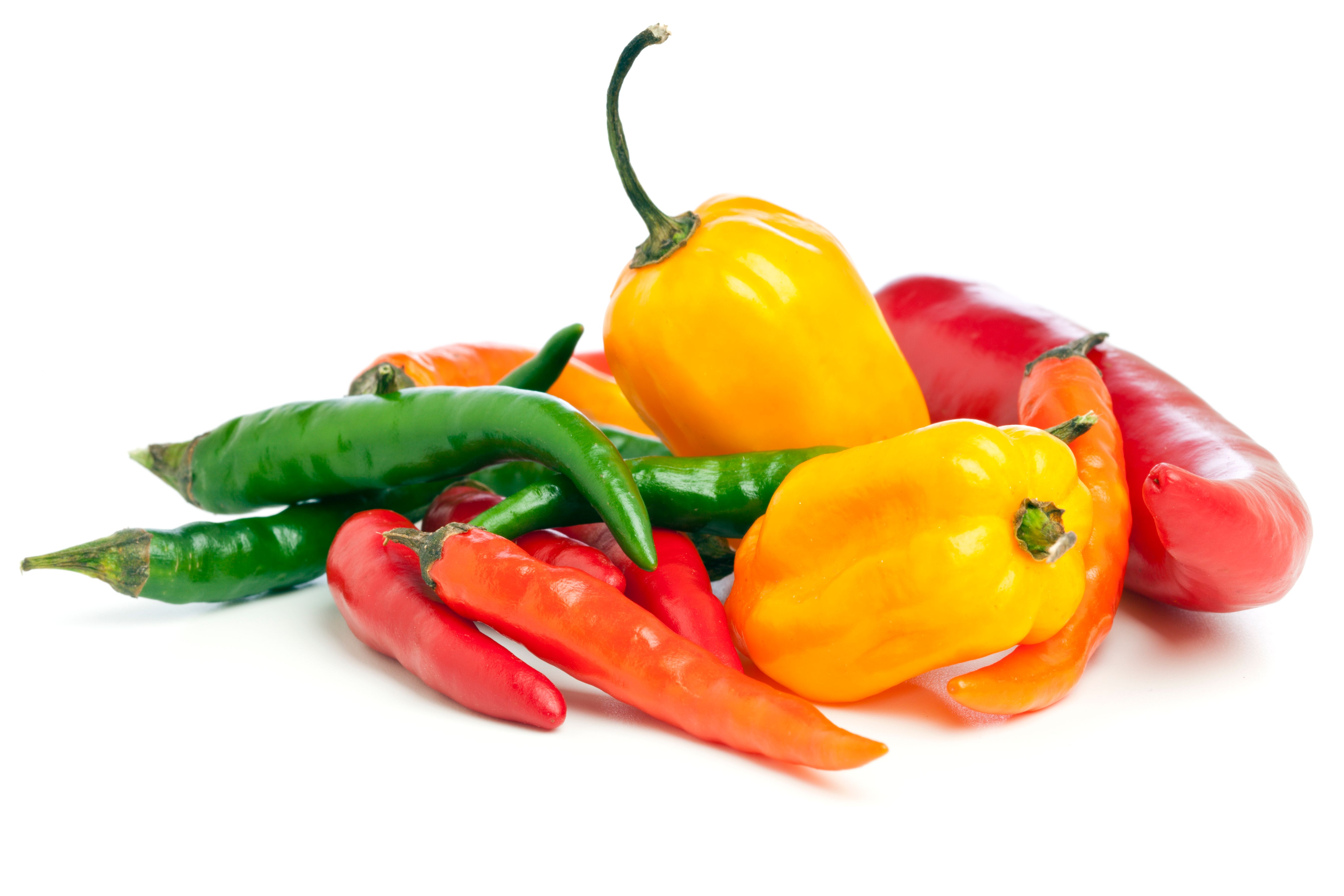
Chili peppers are native to the Americas and have been cultivated for thousands of years. There are hundreds of varieties, each offering a unique flavor profile. From the mild and fruity ancho to the fiery habanero, chilies range in heat levels measured by the Scoville scale.
Key chili varieties include:
- Jalapeño: A versatile pepper with moderate heat.
- Serrano: Hotter than jalapeños, great for salsas.
- Ghost Pepper: Known for its extreme heat.
Understanding Paprika
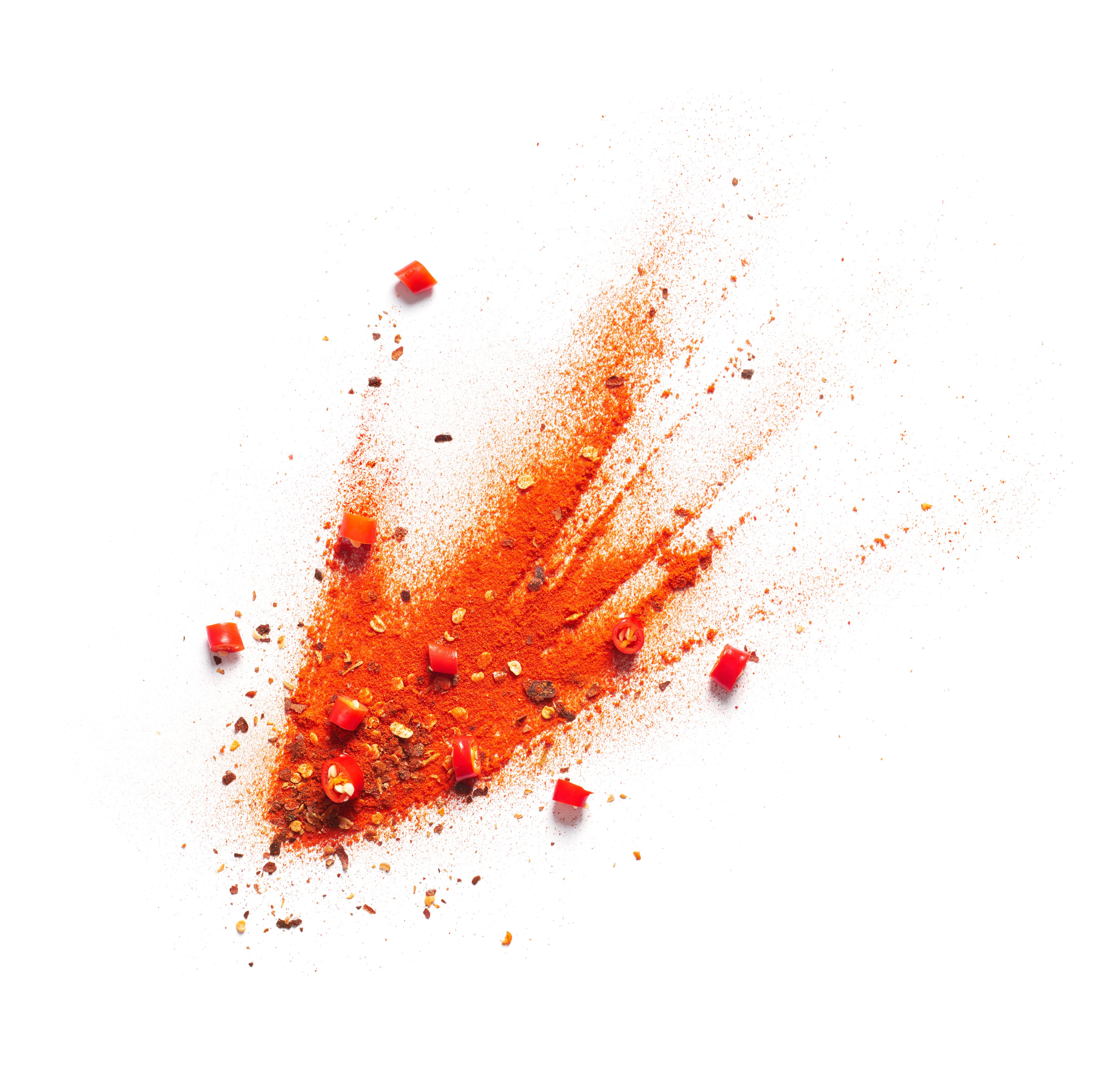
Paprika is made by grinding dried red peppers, and its flavor can range from sweet to hot. Originating in Central Europe, paprika has become a staple in many cuisines. The most famous type is Hungarian paprika, known for its rich, sweet flavor.
Types of paprika include:
- Sweet Paprika: Mild and slightly sweet, used for garnishing and flavor.
- Smoked Paprika: Adds a smoky depth to dishes, popular in Spanish cuisine.
- Hot Paprika: Offers a fiery kick, ideal for those who love heat.
Global Culinary Uses
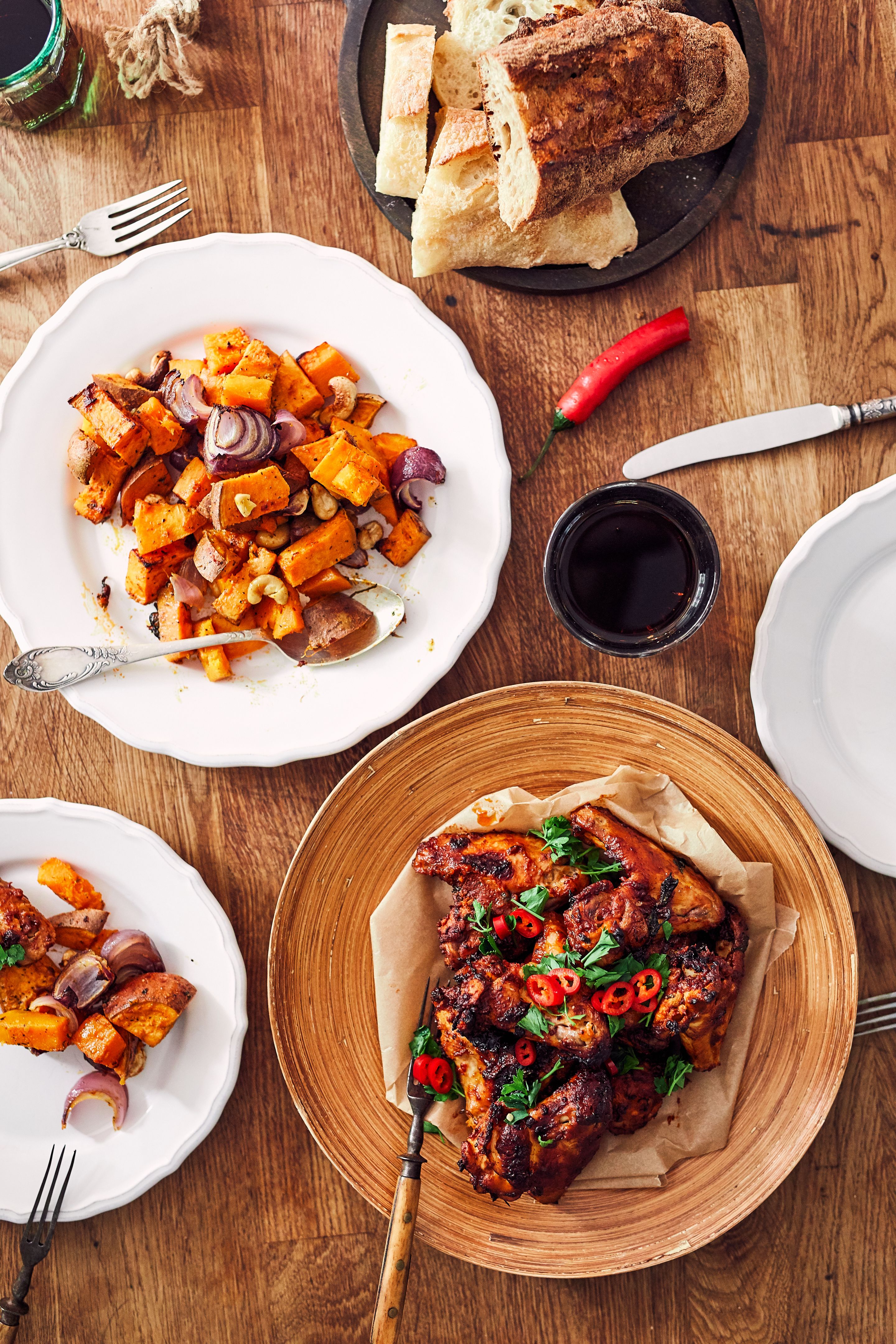
Chilies and paprika are integral to many global cuisines. They are used to create vibrant curries, spicy salsas, and flavorful stews. In Mexican cuisine, chilies are essential for sauces and marinades, while paprika is a key ingredient in Hungarian goulash.
Here are some popular culinary uses:
- Indian Curries: Utilize a variety of chilies for heat and flavor.
- Spanish Paella: Smoked paprika adds depth to the dish.
- Tex-Mex Dishes: Use chilies for salsas and seasoning.
Buying Tips for Quality Spices
When purchasing chili and paprika, look for vibrant colors and fresh aromas. The color intensity often indicates quality, while a potent aroma suggests freshness. Buying whole peppers and grinding them yourself can also ensure a more potent flavor.
Conclusion
Exploring the world of chili and paprika opens up a realm of culinary possibilities. By understanding their varieties and uses, buyers can make informed decisions to enhance their cooking and business offerings. Whether you're a chef or a spice enthusiast, these spices offer a journey of flavor and excitement.