Eco-Friendly Practices in Spice Exporting: A Sustainable Future
Understanding the Importance of Eco-Friendly Practices
In today's global market, sustainability is more than just a buzzword; it's a critical aspect of business operations. The spice exporting industry, in particular, has seen a rise in the adoption of eco-friendly practices. These practices not only protect the environment but also help companies meet consumer demand for sustainable products. By implementing green methods, spice exporters can contribute to a healthier planet while maintaining profitability.
Embracing sustainability involves reducing carbon footprints, conserving resources, and ensuring fair trade practices. The shift towards eco-friendly operations is essential for the long-term viability of the spice industry. It also enhances brand reputation and opens up new market opportunities.
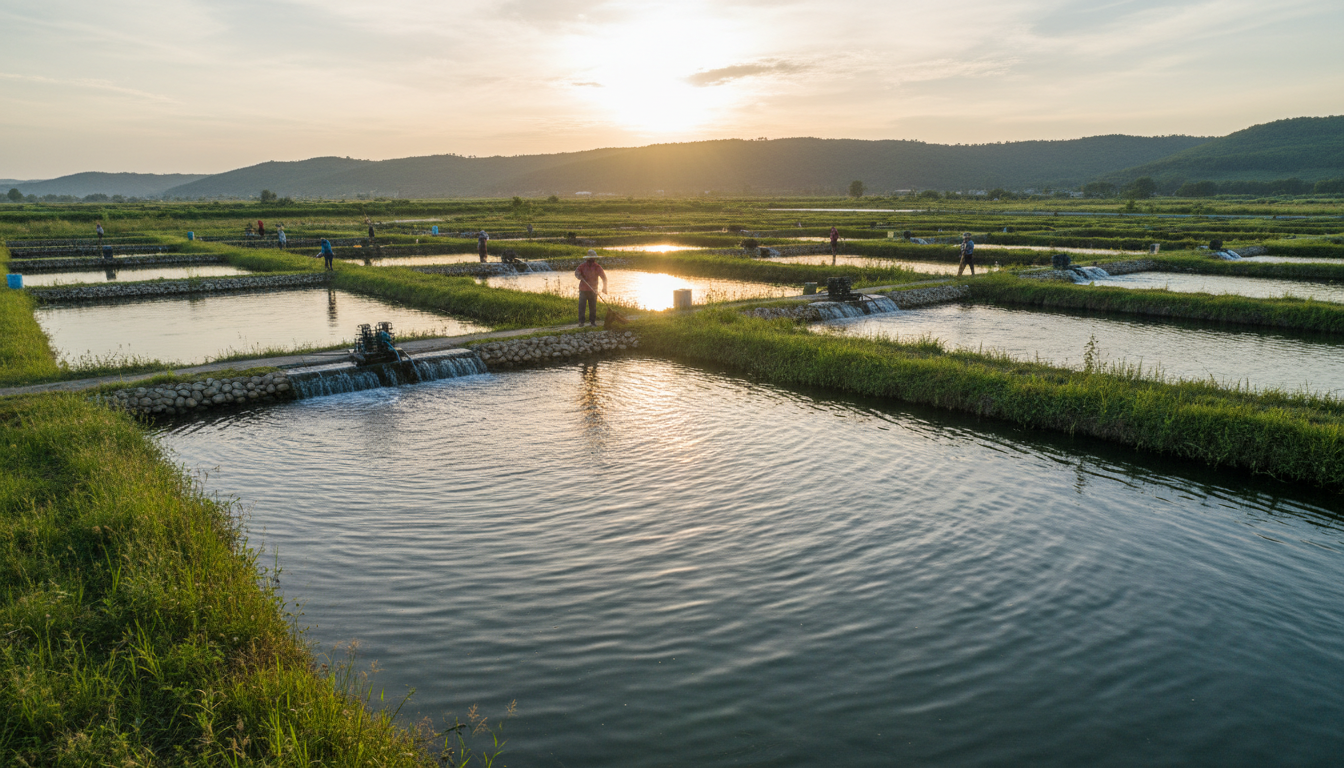
Implementing Sustainable Farming Techniques
One of the most effective ways to promote eco-friendly practices in spice exporting is through sustainable farming. This involves using organic farming techniques that eliminate the need for synthetic fertilizers and pesticides. Organic farming not only protects the soil but also preserves the natural ecosystem.
Additionally, crop rotation and polyculture are effective strategies to maintain soil health and reduce pest outbreaks. These methods ensure that the land remains fertile and productive for future generations, supporting the long-term sustainability of spice farming.
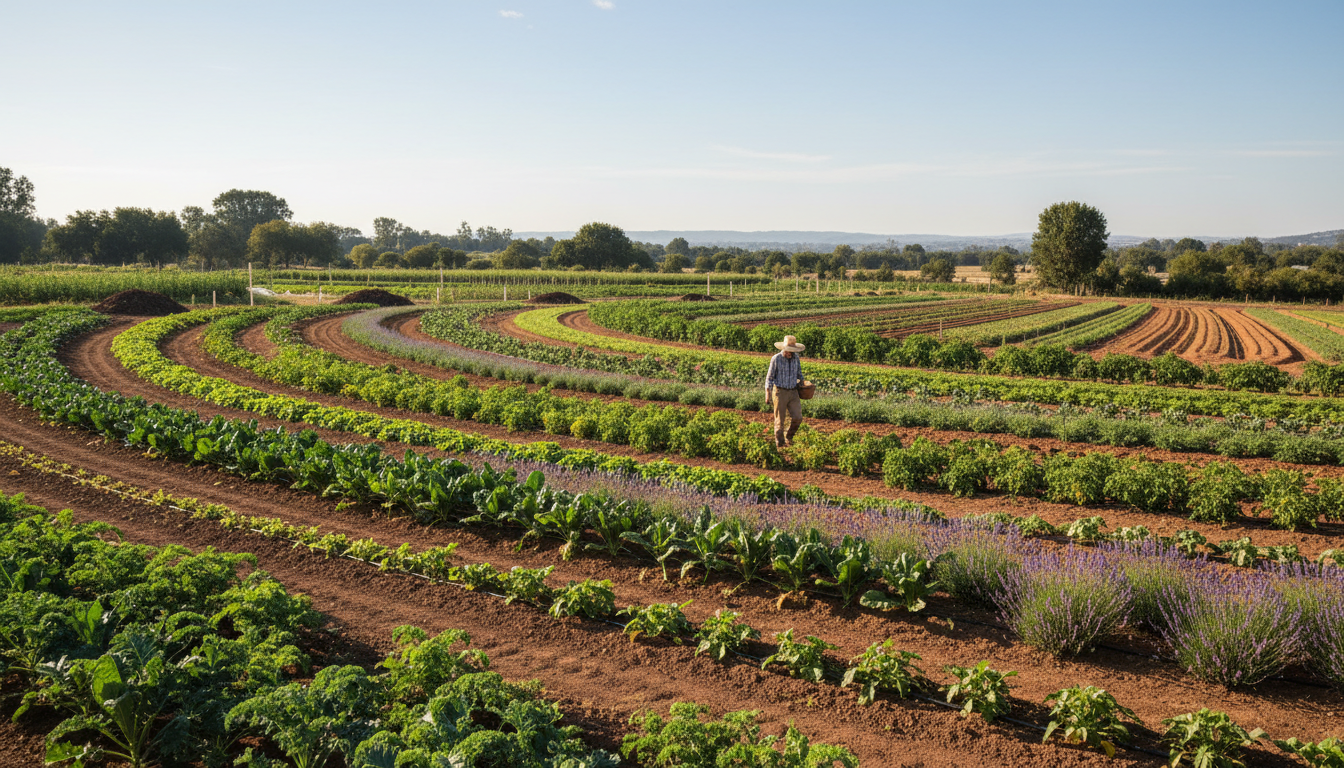
Water Conservation Strategies
Water is a critical resource in agriculture, and conserving it is essential for sustainable spice production. Techniques such as drip irrigation and rainwater harvesting can significantly reduce water usage. By using these methods, farmers can ensure that every drop of water is utilized efficiently, minimizing waste and preserving this precious resource.
Employing water conservation strategies not only helps the environment but also reduces costs for farmers, making it a win-win for both the economy and the ecosystem.

Packaging Innovations for a Greener Future
Eco-friendly packaging is another crucial aspect of sustainable spice exporting. Many companies are turning to biodegradable or recyclable packaging materials to minimize environmental impact. These innovations not only reduce waste but also appeal to environmentally conscious consumers.
Innovative packaging solutions can include plant-based plastics, compostable bags, and reusable containers. By adopting such materials, spice exporters can significantly reduce their carbon footprint and enhance their brand's sustainability credentials.
Transportation and Logistics
Transportation is a significant contributor to carbon emissions in the spice exporting industry. To address this, companies are exploring greener logistics solutions such as optimizing shipping routes and using eco-friendly fuels. Implementing these strategies can greatly reduce the environmental impact of transporting spices across the globe.
Moreover, investing in energy-efficient warehouses and distribution centers further supports sustainability goals by reducing energy consumption during storage and handling.

Empowering Local Communities
Sustainability in spice exporting isn't just about environmental practices; it's also about social responsibility. Empowering local communities through fair trade and ethical sourcing ensures that farmers receive fair compensation and work in safe conditions. This holistic approach to sustainability fosters community development and improves the quality of life for those involved in spice production.
By supporting local communities, spice exporters can build strong relationships with producers, ensuring a stable supply chain and enhancing the overall sustainability of their operations.
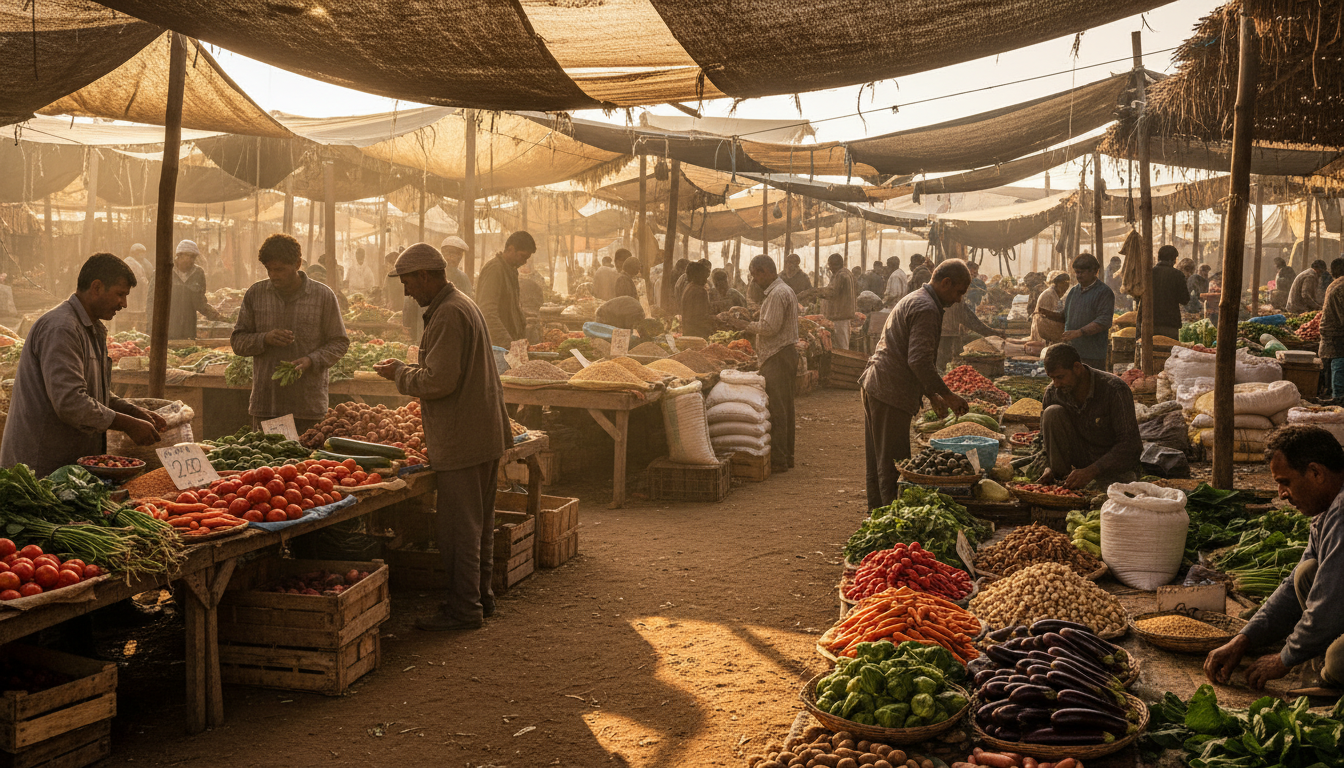
In conclusion, adopting eco-friendly practices in spice exporting is not only beneficial for the environment but also crucial for the industry's future. By focusing on sustainable farming, packaging innovations, and fair trade practices, spice exporters can lead the way towards a more sustainable and prosperous future.