A Step-by-Step Guide to Successful Ingredient Exporting
Exporting ingredients can be a lucrative business, but it requires careful planning and execution. From understanding regulations to ensuring quality control, successful exporting involves several critical steps. This guide will walk you through the process to help you navigate the complexities of ingredient exporting.
Understand Market Demand
The first step in exporting ingredients is understanding the demand in your target markets. Research which ingredients are in high demand and identify potential buyers. This will help you tailor your offerings to meet market needs and maximize profitability.

Additionally, consider cultural preferences and trends that may influence ingredient demand. Engaging with local experts or trade representatives can provide valuable insights into market dynamics.
Ensure Compliance with Regulations
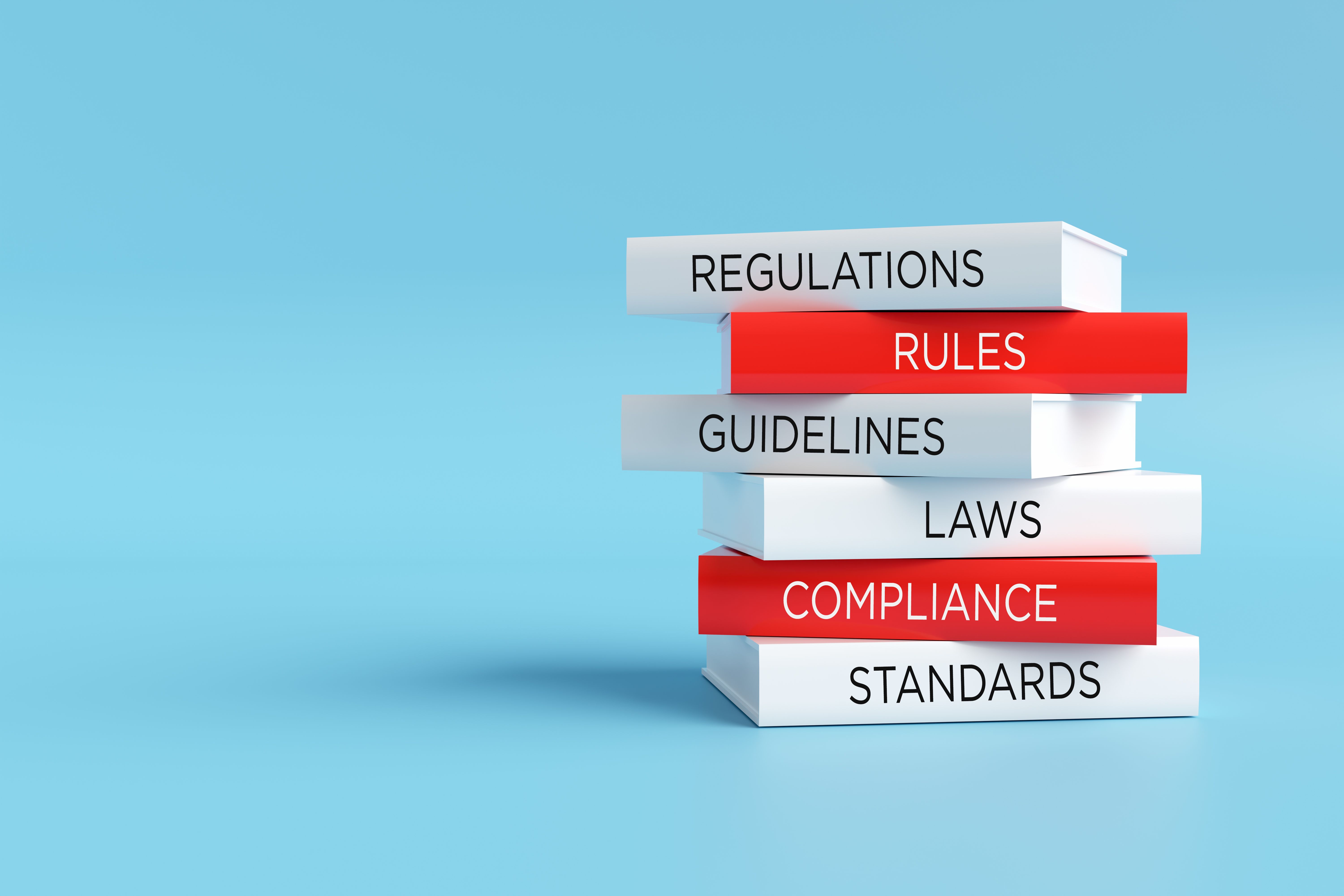
Compliance with international regulations is crucial in the exporting process. Each country has its own set of rules regarding food safety, packaging, and labeling. Familiarize yourself with these regulations to avoid legal pitfalls.
Obtaining the necessary certifications and documentation is essential. This might include sanitary certificates, import licenses, and compliance with food safety standards like ISO or HACCP. Partnering with a legal expert in international trade can streamline this process.
Establish Reliable Supply Chains
A reliable supply chain is the backbone of successful ingredient exporting. Build strong relationships with suppliers and logistics partners to ensure consistency in quality and delivery. Evaluate potential partners based on their reputation, reliability, and ability to meet your standards.
Consider the logistics involved in transporting your ingredients, including shipping methods, packaging requirements, and potential customs issues. Efficient logistics can save time and reduce costs, improving your bottom line.

Quality Control and Assurance
Maintaining high quality is essential in exporting ingredients. Implement rigorous quality control measures to ensure your products meet international standards. This not only helps in compliance but also builds trust with your buyers.
Regular inspections and audits of your production processes can help identify and address potential issues before they affect your shipments. Investing in quality assurance technologies and skilled personnel can provide a competitive edge.
Effective Marketing and Branding
Once you have established your exporting process, focus on marketing and branding to differentiate your products. Highlight the unique qualities and benefits of your ingredients, such as organic certification or sustainable sourcing.
Create compelling marketing materials and leverage digital platforms to reach a broader audience. Participation in international trade shows and exhibitions can also be a valuable way to network and showcase your products to potential buyers.

Monitor and Adapt to Changes
The global market is dynamic, and staying informed about changes in regulations, consumer preferences, and competitive landscapes is crucial. Regularly review and adjust your strategies to remain competitive.
Engaging with industry associations and subscribing to trade publications can provide valuable updates and insights. Being proactive in adapting to changes ensures long-term success in ingredient exporting.