A Comprehensive Comparison: Chinese vs. Other Asian Spice Exporters
When it comes to spice exports, Asian countries are renowned for their rich and diverse offerings. Among these, China stands out as a significant player. However, it's essential to understand how China compares with other Asian spice exporters such as India, Vietnam, and Indonesia.
China's Spice Export Landscape
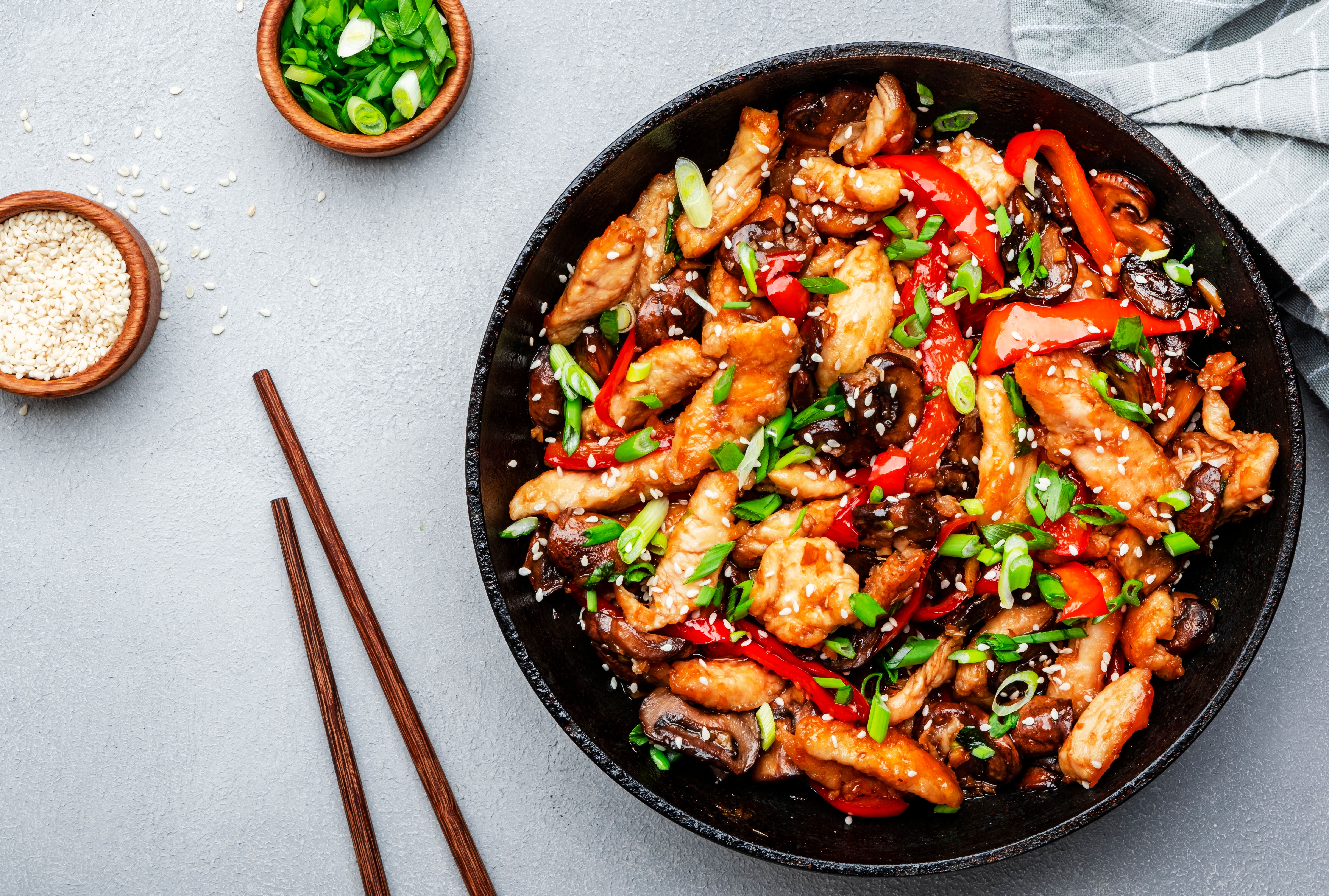
China's spice industry is marked by its extensive production capabilities. The country is particularly known for its garlic and ginger, which are in high demand worldwide. The unique climate and vast agricultural areas contribute to China's ability to produce spices at scale. This enables competitive pricing and consistent supply, making China a dominant force in the global spice market.
Key Strengths
China's primary strengths lie in its infrastructure and technological advancements. These allow for efficient production and export processes. Moreover, China's strategic location in Asia facilitates easy access to major markets in Europe and North America, reducing shipping times and costs.
Comparing Other Asian Spice Exporters
While China is a significant player, other Asian countries have carved their niche in the spice market. Each of these countries offers unique spices that are integral to global cuisine.
India
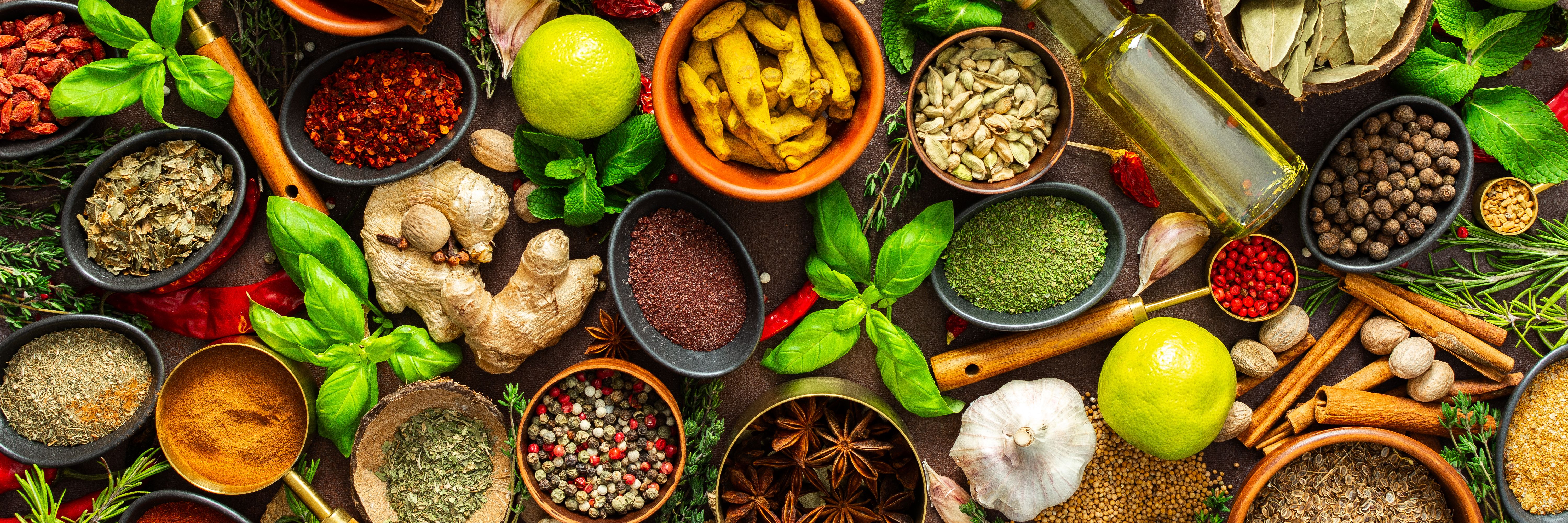
India is often referred to as the "spice capital of the world." With a diverse climate, India produces a wide array of spices, including black pepper, cardamom, and turmeric. India's strength lies in its centuries-old spice cultivation practices and rich cultural heritage, which contribute to the quality of their spices.
Vietnam
Vietnam is a leading exporter of pepper, accounting for a significant portion of the global supply. The country has optimized its production techniques to ensure high-quality output, making Vietnamese pepper highly sought after on the international stage.
Quality vs. Quantity
While China excels in quantity, other Asian countries often focus on quality. For instance, India's spices are renowned for their aromatic properties, while Vietnam's pepper is praised for its robust flavor. This distinction is crucial for buyers looking to prioritize quality over cost.

Market Challenges
Each of these countries faces unique challenges in the spice market. China's challenges include ensuring sustainable farming practices, while India struggles with modernizing its agricultural techniques. Vietnam deals with fluctuating market demands that can impact pepper prices.
Conclusion
In conclusion, the Asian spice export market is diverse and dynamic. While China remains a leader in terms of volume, other countries like India and Vietnam continue to impress with their focus on quality and unique offerings. Understanding these differences is vital for buyers and consumers looking to make informed decisions.